
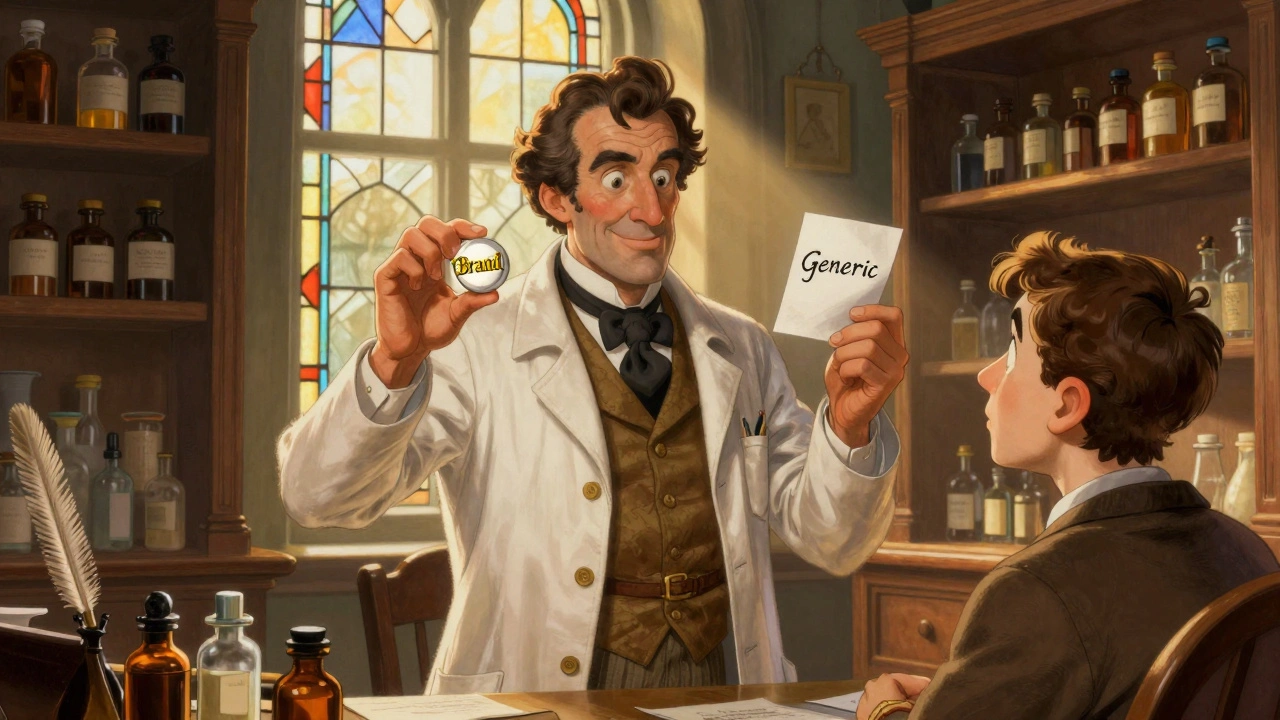
Every year, millions of people in the U.S. switch from brand-name medications to generics to save money. But a quiet doubt lingers: are generic drugs really just as good? You’re not alone if you’ve wondered this. Maybe your doctor switched your prescription, your insurance forced the change, or you saw the price drop from $200 to $12 and felt suspicious. The truth? For most people, the answer is yes-generic drugs work the same way. But it’s not that simple. Let’s break down what’s really going on.
What Exactly Is a Generic Drug?
A generic drug is not a copy. It’s not a knockoff. It’s the exact same medicine, chemically speaking. The FDA requires that generic drugs contain the same active ingredient, in the same strength, same dosage form (pill, injection, capsule), and same route of administration (taken by mouth, injected, applied to skin) as the brand-name version. That means if your brand-name pill has 10 mg of amlodipine to lower blood pressure, the generic has 10 mg of amlodipine-no more, no less. The difference? Everything else. The color, shape, size, flavor, and inactive ingredients (like fillers, dyes, or preservatives) can-and often do-differ. That’s why your generic pill looks nothing like the brand. It’s not because it’s weaker. It’s because trademark laws prevent generics from looking identical to the original. You’re getting the same medicine, just packaged differently.How Do We Know Generics Work the Same?
The FDA doesn’t just take manufacturers’ word for it. To get approved, a generic drug must pass a strict test called bioequivalence. This means it must be absorbed into your bloodstream at the same rate and to the same extent as the brand-name drug. The standard? The amount of drug in your blood (measured as AUC and Cmax) must fall within 80% to 125% of the brand’s levels. That’s not a wide margin-it’s a tight scientific window. For most drugs, that’s more than enough. But for drugs with a narrow therapeutic index-like warfarin, levothyroxine, or certain seizure medications-the rules get even stricter. Here, the acceptable range shrinks to 90% to 111%. That’s because tiny changes in blood levels can have big effects. Even then, the FDA requires additional testing and monitoring. In 2022 alone, the FDA approved over 1,050 generic drugs. That’s not luck. It’s science. And the data backs it up. A massive 2019 study in JAMA Internal Medicine looked at 3.5 million patients using generics for conditions like high blood pressure, diabetes, and depression. The results? No meaningful difference in effectiveness or safety compared to brand-name drugs.Why Do Some People Say Generics Don’t Work for Them?
You’ve probably heard stories. Someone switched from Synthroid to generic levothyroxine and their TSH shot up. Another person says their blood pressure spiked after switching. These aren’t made up. But they’re rare-and usually not because the generic is inferior. The real issue? Inactive ingredients. Some people are sensitive to lactose, dyes, or preservatives used in generics. If you’re allergic to cornstarch or have celiac disease, a filler change can cause real symptoms. That’s not the drug failing. It’s your body reacting to something new. Another factor? Perception. A 2017 study in the Annals of Internal Medicine found that patients who believed generics were less effective were 20% more likely to stop taking them. That’s not the drug’s fault-it’s the mind’s. And when you stop taking your medicine, your condition gets worse. That’s not a failure of the generic. It’s a failure of trust. Then there’s the rare case of switching between different generic manufacturers. One company’s version might use slightly different fillers than another. If you switch back and forth between pharmacies, your body might react. That’s why sticking with the same pharmacy-and the same generic brand-is often the smartest move.What About That Study Showing Generics Were Better?
Yes, there was one. A 2020 study in Nature Scientific Reports found that patients taking generic blood pressure drugs had lower death rates than those on brand-name versions. At first glance, that sounds like generics are superior. But the researchers themselves said: this wasn’t because the drugs worked better. It was because people who got generics were more likely to be on public insurance, had better access to care, and followed their treatment plans more closely. In other words, the outcome wasn’t about the pill-it was about the person taking it. When researchers compared authorized generics-drugs made by the brand company but sold under a generic label-they found the same results. That’s the real clue. The drug itself didn’t change. The patient’s behavior did.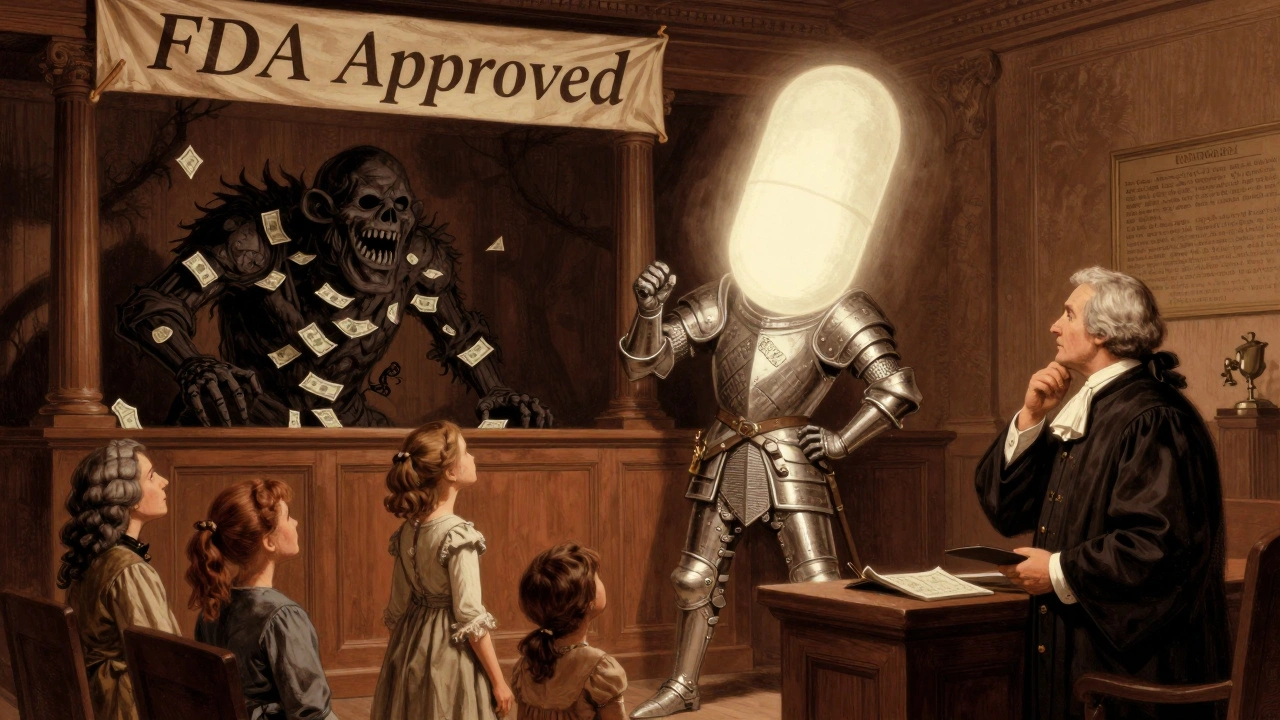
Cost Difference? It’s Not Even Close
This is where generics win by a landslide. On average, generic drugs cost 80% to 85% less than their brand-name counterparts. A brand-name statin might run you $200 a month. The generic? $12. A brand-name antidepressant? $400. Generic? $10. That’s not a savings. That’s a life-changing difference. The U.S. healthcare system saves $373 billion a year because of generics, according to the Congressional Budget Office. That’s money that goes to other treatments, lower insurance premiums, or just keeps people from skipping doses because they can’t afford them. And the numbers don’t lie: 90% of all prescriptions filled in the U.S. are generics. But they make up only 23% of total drug spending. That’s the power of value.When Should You Stick With the Brand?
There are a few exceptions. For drugs with a narrow therapeutic index-like levothyroxine, warfarin, or phenytoin-some doctors prefer to stick with one version, brand or generic, and avoid switching. Why? Because even small changes in blood levels can matter. If you’re stable on a brand-name version and doing well, there’s no rush to switch. But here’s the catch: even for these drugs, most people do fine on generics. A 2021 study in the Journal of Clinical Endocrinology & Metabolism found that only 5% to 10% of patients on levothyroxine needed to go back to the brand after switching. That’s a small number. And if you do have issues, your doctor can easily test your thyroid levels and adjust your dose. The bottom line? Don’t assume you need the brand. Ask your doctor. Get your blood tested. But don’t let fear stop you from saving money.What About Quality and Manufacturing?
A lot of people worry that generics are made in “overseas factories” and must be lower quality. That’s a myth. The FDA inspects all manufacturing facilities-whether they’re in New Jersey or New Delhi. In fact, 78% of the active ingredients in U.S. generics come from China and India. And those facilities are held to the same standards as U.S. plants. The FDA inspects generic drug factories just as often as brand-name ones. In 2022, the agency approved over 1,000 generic applications and inspected hundreds of facilities worldwide. No shortcuts. No exceptions. Yes, there have been supply chain issues. Some generic drugs have faced shortages due to manufacturing problems in single-source plants. But that’s not a quality issue-it’s a logistics one. And the FDA is working to fix it.How to Make Sure You’re Getting the Right Generic
If you’re switching to a generic, here’s how to stay safe:- Use the same pharmacy every time. Different pharmacies may stock different generic brands.
- Check the pill’s appearance. If it looks different, ask your pharmacist if it’s the same drug. Use the FDA’s Drugs@FDA database to look up images of your medication.
- Don’t panic if your pill changes color or shape. That’s normal. The active ingredient hasn’t changed.
- Ask your pharmacist: “Is this the same active ingredient as my brand?” They can confirm it.
- Monitor how you feel. If you notice new side effects or your condition worsens, tell your doctor. But don’t assume it’s the generic-it could be something else.

What Experts Say
Dr. Janet Woodcock, former head of the FDA’s drug division, said plainly: “Generic drugs work the same as brand-name drugs and are just as effective.” The American Medical Association agrees. So do most pharmacists, endocrinologists, and cardiologists. Yes, a few voices warn that the 20% bioequivalence window might be too broad for some patients. But even they agree: for the vast majority, generics are safe and effective.Real People, Real Experiences
On Reddit, one user wrote: “Switched my mom from Synthroid to generic. Her TSH went from 2.1 to 6.7.” Another replied: “I’ve seen hundreds of patients switch without issue. It’s usually about timing or diet, not the drug.” A 2022 Consumer Reports survey found that 42% of Americans believe generics are less effective. But when asked if they’d recommend generics to others, 89% said yes-because they saved so much money. Most people who switch don’t notice a difference. And those who do? Often, it’s temporary. A tweak in dosage, a change in timing, or a switch back to the same generic brand fixes it.What’s Next?
The FDA is launching a new program in 2024 to collect real-world data on generic drugs across diverse populations. That means even more proof that generics work for everyone-not just healthy volunteers in clinical trials. Biosimilars (generic versions of complex biologic drugs like Humira or Enbrel) are starting to enter the market. The same rules apply: same active ingredient, same effectiveness, lower cost. The future of affordable medicine is here.Final Answer: Yes, They’re Just as Good
For over 40 years, generics have been saving lives and money. The science is clear. The data is solid. The FDA’s track record is unmatched. Generic drugs are not second-rate. They’re not cheaper because they’re worse. They’re cheaper because they don’t need to pay for marketing, branding, or patent recovery. The medicine inside is identical. If you’re on a brand-name drug and can switch to a generic, do it. Save the money. Use it for groceries, rent, or a doctor’s visit. Talk to your pharmacist. Ask your doctor. Get your labs checked if you’re concerned. Your health isn’t about the label on the bottle. It’s about the medicine inside-and that hasn’t changed.Are generic drugs as effective as brand-name drugs?
Yes, for the vast majority of medications, generic drugs are just as effective as brand-name versions. The FDA requires them to contain the same active ingredient, strength, dosage form, and route of administration. They must also pass strict bioequivalence testing, proving they are absorbed into the body at the same rate and extent as the brand-name drug. Studies involving millions of patients show no meaningful difference in outcomes for conditions like high blood pressure, diabetes, depression, and cholesterol.
Why do generic pills look different from brand-name ones?
Generic pills look different because U.S. trademark laws prevent them from looking identical to the brand-name version. This includes differences in color, shape, size, and markings. These changes are only in the inactive ingredients-like dyes, fillers, or coatings-and do not affect how the medicine works. The active ingredient is the same.
Can generic drugs cause side effects that brand-name drugs don’t?
Rarely. Side effects from generics are usually due to differences in inactive ingredients, such as lactose, dyes, or preservatives. If you have allergies or sensitivities to certain fillers, switching to a different generic version might cause a reaction. But this isn’t because the medicine is weaker-it’s because your body is reacting to something new. If you notice new symptoms after switching, talk to your doctor or pharmacist.
Are generic drugs made in lower-quality facilities?
No. The FDA inspects all manufacturing facilities-whether they’re in the U.S., India, China, or elsewhere-using the same standards. About 78% of active ingredients in U.S. generics come from India and China, and those facilities are held to the same quality controls as U.S. plants. The FDA conducts regular inspections and has the authority to block imports if standards aren’t met.
Should I avoid generics for drugs like levothyroxine or warfarin?
Most patients can safely use generics for these drugs. But because they have a narrow therapeutic index-small changes in blood levels can have big effects-some doctors prefer to keep patients on one version (brand or generic) to avoid any potential variability. If you switch, your doctor may check your blood levels more frequently at first. Only a small percentage (5-10%) of patients need to return to the brand-name version after switching.
Why are generics so much cheaper?
Generics are cheaper because they don’t need to pay for the research, development, marketing, or patent protection that brand-name drugs do. Once a brand’s patent expires, other companies can produce the same drug without repeating expensive clinical trials. They only need to prove bioequivalence. This competition drives prices down-often by 80-85%-saving patients and the healthcare system billions each year.
Is it safe to switch between different generic brands?
For most people, yes. But for drugs with a narrow therapeutic index-or if you’ve had issues in the past-it’s best to stick with one generic brand. Switching between different manufacturers can sometimes cause minor changes in how your body responds, especially if the inactive ingredients differ. If you must switch, do it under your doctor’s supervision and monitor for changes in symptoms or lab results.
Can I trust generics approved by the FDA?
Absolutely. The FDA’s approval process for generics is rigorous and based on decades of scientific evidence. Every generic must meet the same standards for quality, strength, purity, and stability as the brand-name drug. The agency has approved over 12,800 generic products and inspects manufacturing facilities worldwide. If a generic is FDA-approved, it’s safe and effective.


Write a comment