
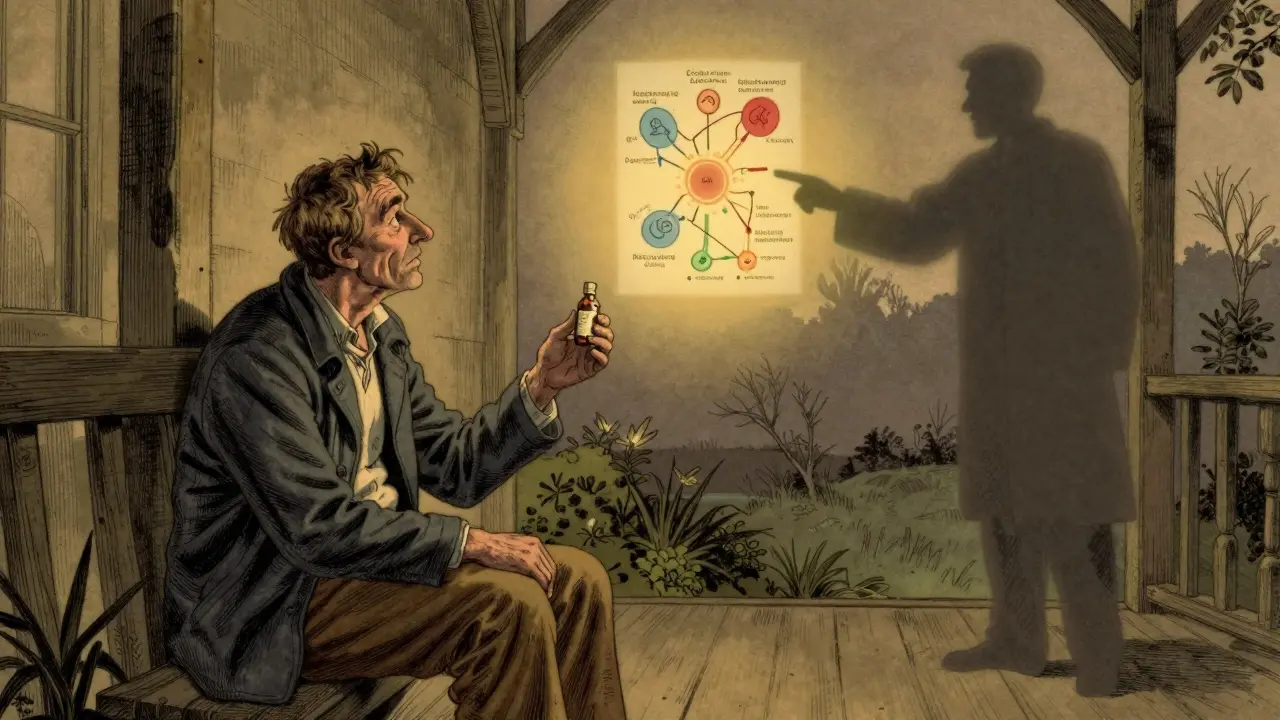
When it comes to managing chronic pain, millions of people are turning to cannabinoids-CBD, THC, CBG, and others-hoping for relief without the risks of opioids. But here’s the problem: cannabinoids for pain are surrounded by hype, conflicting studies, and products that don’t even contain what’s on the label. So what actually works? And more importantly, is it safe?
What Are Cannabinoids, and How Do They Affect Pain?
Cannabinoids are natural compounds found in the cannabis plant. The two most well-known are tetrahydrocannabinol (THC), which causes a high, and cannabidiol (CBD), which doesn’t. But there are others-cannabigerol (CBG) and cannabinol (CBN)-that are gaining attention for their pain-relieving potential. These compounds interact with your body’s endocannabinoid system, a network of receptors that helps regulate pain, inflammation, mood, and sleep.
Unlike opioids, which shut down pain signals entirely, cannabinoids seem to modulate them. Think of it like turning down the volume on pain instead of silencing it completely. This difference is why many people with nerve pain (neuropathic pain), fibromyalgia, or arthritis are drawn to cannabinoids. They’re not looking for a miracle cure-they’re looking for something that won’t make them addicted or overdosed.
The Evidence: Mixed Results, But Some Clear Patterns
The science on cannabinoids and pain is messy. Some studies say they work. Others say they don’t. And the reason? It depends on the compound, the type of pain, and whether the product is pharmaceutical-grade or bought off the shelf.
A 2015 JAMA review found moderate-quality evidence that cannabinoids help with chronic pain and muscle spasticity. That’s not strong proof, but it’s not nothing. More recent research, like a January 2025 study from Yale, shows that CBG-a lesser-known cannabinoid-may be even more effective than CBD at blocking a key pain-signaling protein in the nervous system. The study didn’t test humans yet, but the lab results were strong enough to suggest CBG could become a future pain treatment without the psychoactive effects of THC.
On the other hand, a University of Bath analysis of 16 clinical trials found that CBD performed no better than a placebo for pain relief in 15 of them. Harvard Medical School echoed this, stating there’s still no high-quality human study proving CBD alone works for pain. And here’s the kicker: many CBD products sold online don’t even contain the amount of CBD listed on the bottle. One study found some products had zero CBD; others had more than double what was advertised.
THC, however, tells a different story. When combined with CBD in a 1:1 ratio-like in the FDA-approved drug Sativex-it’s been shown to reduce pain in multiple sclerosis and advanced cancer patients. In real-world use, patients report cutting their opioid doses by 75% or more while maintaining pain control. That’s not just placebo. That’s meaningful relief.
Who Benefits Most? Neuropathic Pain Is the Sweet Spot
The CDC says there’s limited evidence cannabis helps with most types of pain. But it makes an exception: neuropathic pain. That’s pain caused by damaged nerves-common in diabetes, shingles, spinal injuries, and chemotherapy. For this type of pain, cannabinoids appear to have the clearest benefit.
Why? Nerve pain doesn’t respond well to NSAIDs or even opioids. Cannabinoids, on the other hand, target the nervous system directly. That’s why patients with fibromyalgia or diabetic neuropathy often report better results than those with lower back pain or osteoarthritis. One Reddit user, u/PainWarrior22, said CBD oil reduced their fibromyalgia pain by 30% after two weeks. Another, u/TruthSeeker87, spent $400 on CBD gummies and felt nothing. That inconsistency isn’t random-it’s the reality of unregulated products and individual biology.

Dosing: No Standard, But Here’s What Clinicians Recommend
There’s no official dosing guide for cannabinoids and pain. That’s because the FDA hasn’t approved any cannabis-based pain medication outside of epilepsy. But doctors who prescribe medical cannabis do have practical guidelines.
For beginners, most pain specialists suggest starting low:
- THC-only or THC:CBD combo: Start with 2.5-5 mg of THC, once or twice a day. Increase by 2.5 mg every few days if needed.
- CBD-only: Begin with 10-20 mg daily. Some people need up to 100 mg, but don’t rush it.
- CBG: Still experimental. No official doses yet, but early trials use 10-25 mg daily.
Delivery method matters too. Tinctures and oils absorb faster than edibles. Capsules give steady release. Topicals work locally but won’t help with widespread pain. Smoking or vaping delivers quick effects but carries lung risks.
One key rule: wait at least 2-3 weeks before deciding if it’s working. Pain relief from cannabinoids is often subtle and builds over time. If you feel nothing after a month, it’s unlikely to help.
Safety: What You’re Not Being Told
People assume cannabinoids are safe because they’re “natural.” That’s dangerous thinking.
THC can cause dizziness, dry mouth, impaired coordination, and in some cases, anxiety or paranoia. CBD is generally better tolerated, but high doses (above 1,000 mg/day) have been linked to liver enzyme changes in rare cases. The University of Bath study flagged liver toxicity as a real concern with long-term, high-dose CBD use.
And then there’s contamination. A 2023 analysis of 1,000 CBD products found that 25% contained illegal levels of THC. Another 15% had heavy metals or pesticides. If you’re subject to drug tests, even trace THC can get you flagged.
Drug interactions are another hidden risk. Cannabinoids affect the same liver enzymes as blood thinners, antidepressants, and seizure medications. Taking CBD with warfarin or clobazam could lead to dangerous side effects. Always tell your doctor what you’re using-even if it’s “just CBD.”
Medical Cannabis vs. Over-the-Counter CBD: The Real Difference
Not all cannabinoid products are created equal. There’s a massive gap between what’s sold in a gas station and what’s prescribed in a clinic.
Medical cannabis programs in states like California, New York, or Illinois require lab testing, standardized dosing, and patient registration. Products are labeled with exact THC and CBD percentages. In Canada, the government regulates herbal cannabis and extracts, ensuring quality control.
Over-the-counter CBD? Not so much. The FDA has sent warning letters to over 140 companies for making false pain claims. Most aren’t even following basic manufacturing standards. That’s why the same product might work for one person and do nothing for another. It’s not your body-it’s the product.
The Future: What’s Coming Next?
Change is coming. The FDA is reviewing whether cannabis should be moved from Schedule I (no medical use) to a lower category. That could unlock federal funding for research and make pharmaceutical-grade cannabinoid drugs more accessible.
Right now, multiple Phase III trials are underway:
- GW Pharmaceuticals is testing a CBD:THC combination for cancer pain.
- Columbia University is studying CBD for chronic low back pain.
- Yale’s CBG research is moving toward human trials.
If one of these drugs gets approved by 2027, it could become the first scientifically backed cannabinoid pain treatment. That would shift the market from sketchy online shops to legitimate pharmacies.
Bottom Line: Should You Try Cannabinoids for Pain?
If you have neuropathic pain and opioids aren’t working-or you’re trying to avoid them-cannabinoids are worth considering. But only under these conditions:
- Use a regulated medical cannabis product, not a random online CBD oil.
- Start with low doses of THC:CBD (like 1:1) if allowed in your state.
- Avoid pure CBD if your goal is pain relief-it’s unlikely to help based on current evidence.
- Track your symptoms daily. If you don’t feel better in 4-6 weeks, stop.
- Talk to your doctor about interactions with other meds.
For everyone else-people with back pain, headaches, or joint pain-there’s no strong reason to spend hundreds on CBD. The science just isn’t there. And if you’re hoping to replace opioids cold turkey? Don’t. Withdrawal can be dangerous. Work with a pain specialist.
The truth is simple: cannabinoids aren’t magic. They’re not risk-free. But for a subset of people with specific types of pain, they can be a real tool. The key is using them wisely-not because of a TikTok ad, but because you understand the evidence, the risks, and the limitations.


Write a comment