
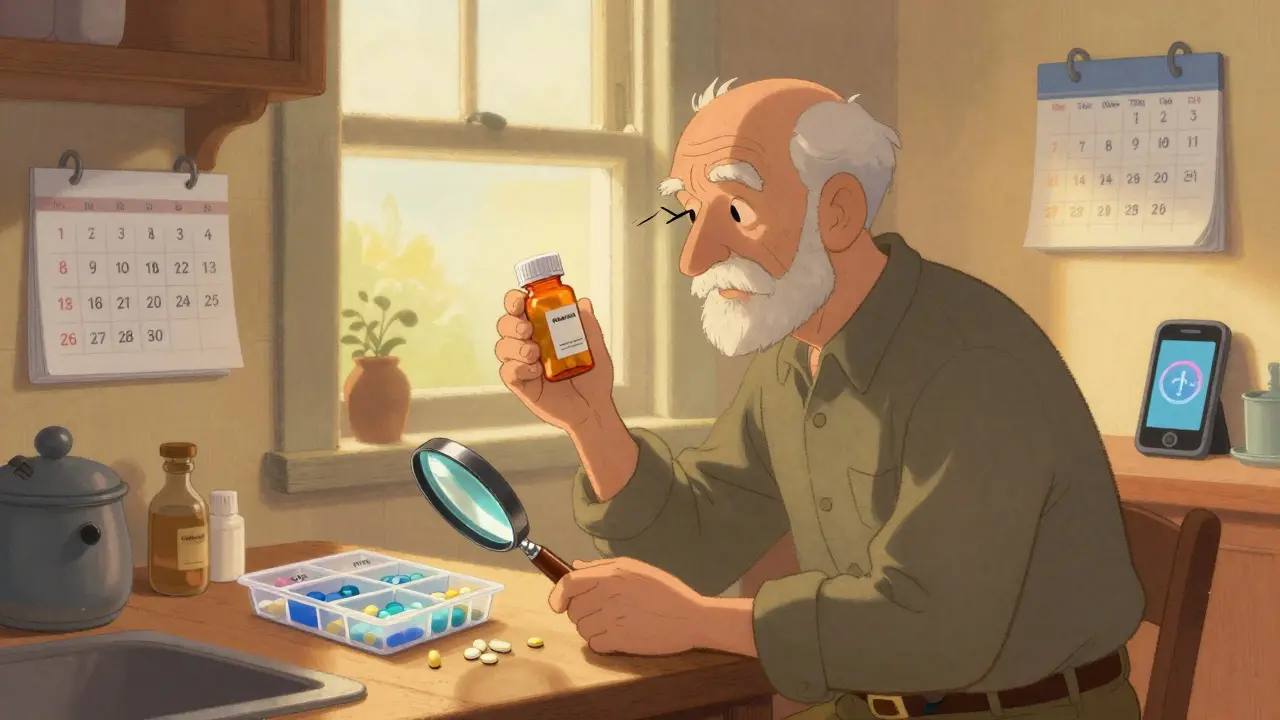
Every year, over 1.3 million people in the U.S. end up in the emergency room because of medication mistakes. Many of these aren’t caused by doctors or pharmacists-they happen at home, when someone takes the wrong pill, at the wrong time, or in the wrong way. You don’t need to be a nurse to avoid these mistakes. You just need to follow five simple, proven rules that keep you safe.
Rule 1: Know Exactly What You’re Taking
Don’t assume the pill looks the same as last time. Medications can change manufacturers, and the color, shape, or size might shift-even if the name on the bottle is the same. A 2023 ISMP report found that 12% of medication errors happen because patients didn’t notice the difference in appearance. Always check the label: generic names (like metformin) and brand names (like Glucophage) should match your prescription. If something looks off, call your pharmacy before swallowing it. For high-risk drugs like insulin or blood thinners, this step alone can prevent life-threatening mistakes.Rule 2: Take It at the Right Time
Timing matters more than you think. Some medications need to be taken with food, others on an empty stomach. Some work best if taken at the same time every day-like blood pressure pills or thyroid medicine. The CDC says that 28% of adults over 65 skip or delay doses because they’re unsure when to take them. Set phone alarms. Use a pill organizer with morning, afternoon, and night compartments. If your doctor says “take every 8 hours,” that means three times a day-not just when you remember. Missing doses or doubling up can cause side effects, lower effectiveness, or even trigger dangerous reactions.Rule 3: Use the Right Dose for You
A pill isn’t one-size-fits-all. Your weight, kidney function, age, and other medications all affect how much you should take. Kids and older adults are especially at risk. In fact, 15% of dosing errors happen in children because caregivers misread milligrams (mg) as micrograms (mcg)-a 1,000-fold difference. Always double-check the number on the label. If your prescription says “5 mg” and the bottle says “10 mg,” ask if it’s correct. Never split pills unless your pharmacist says it’s safe. And never take someone else’s medicine, even if their symptoms sound like yours.Rule 4: Take It the Right Way
Swallowing a pill is not the only way to take medication. Some are meant to be placed under the tongue, injected into the skin, or applied as a patch. Taking a shot meant for your arm and putting it in your mouth can be deadly. The AHRQ found that 16% of medication errors involve the wrong route. Read the instructions. If the label says “for oral use only,” don’t crush it and mix it into food unless your doctor says it’s okay. Some pills are designed to release slowly-if you crush them, you get the whole dose at once. That’s how overdoses happen.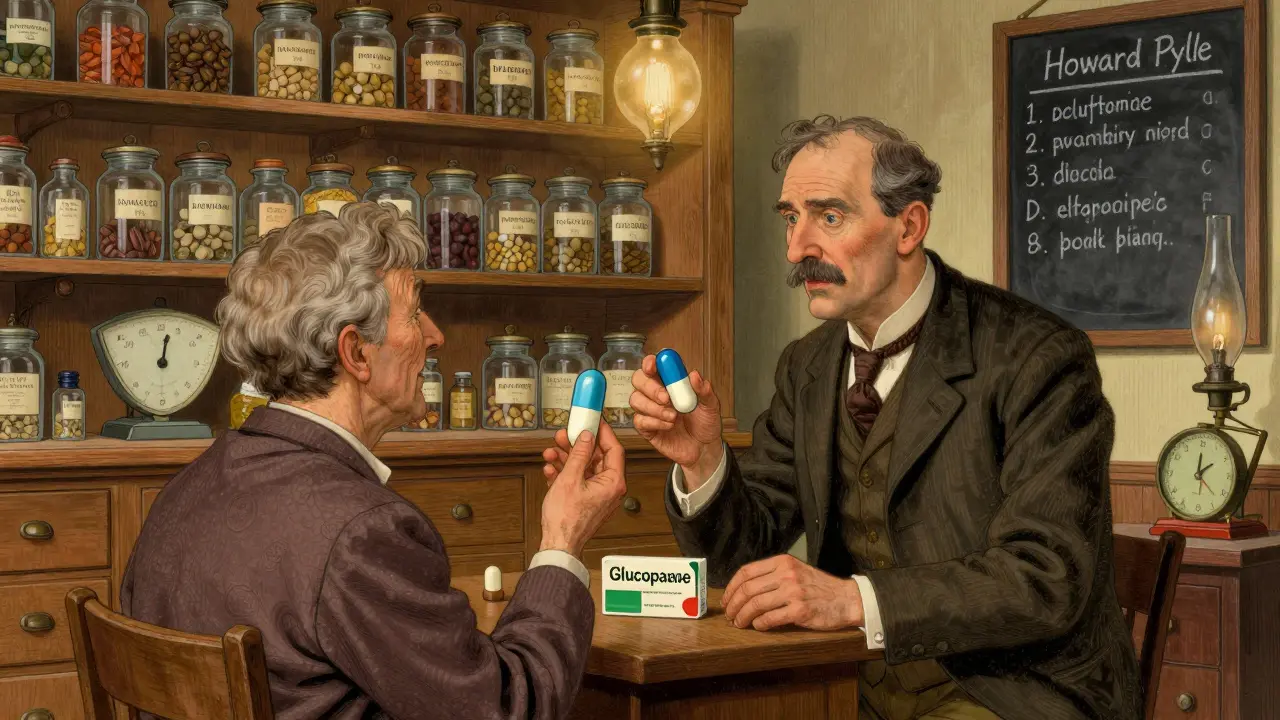
Rule 5: Know Why You’re Taking It
If you don’t know why your doctor prescribed a drug, you’re more likely to stop taking it or mix it with something dangerous. A 2022 Kaiser Family Foundation survey showed that 61% of seniors couldn’t explain what their top three medications were for. Ask your pharmacist: “What is this for?” “What side effects should I watch for?” “Can I take this with my other pills?” Some drugs interact badly with grapefruit, alcohol, or even over-the-counter pain relievers. If you’re on five or more medications, schedule a “brown bag review” with your pharmacist every three months. Bring everything you take-including vitamins, supplements, and herbal teas. They’ll spot hidden conflicts you might miss.What About Technology?
Technology helps, but it doesn’t replace common sense. Pill reminder apps, barcode scanners in hospitals, and smart pumps that stop overdoses are useful. But in 2023, a JAMA study found that telehealth visits had 27% more medication errors than in-person ones-mostly because patients couldn’t show their pills or ask follow-up questions. Don’t rely on an app alone. Keep a written list of your meds, doses, and times. Update it every time your doctor changes something. Share it with every provider you see-even if you think they already know.Common Mistakes Even Smart People Make
- “I feel better, so I’ll stop.” Antibiotics, blood pressure pills, and antidepressants need to run their course. Stopping early can cause relapse or resistance. - “I’ll just take half if it’s too strong.” Not all pills can be split safely. Some have coatings that control how the drug releases. Splitting them changes how they work. - “It’s just a vitamin.” Supplements aren’t regulated like prescription drugs. Some can interfere with heart meds, blood thinners, or chemotherapy. Always tell your doctor what you’re taking. - “I’ll use the same bottle next time.” Expired meds lose potency. Some become toxic. Check expiration dates. If you’re unsure, bring it to your pharmacy for disposal.
When to Call for Help
If you notice any of these, get help right away:- Sudden dizziness, rash, swelling, or trouble breathing
- Confusion, memory loss, or unusual behavior
- Black stools, vomiting blood, or unusual bruising
- Missed a dose and don’t know what to do
Final Thought: Safety Is a Habit, Not a One-Time Task
Medication safety isn’t about being perfect. It’s about building habits that protect you every day. Keep your list updated. Ask questions. Double-check labels. Don’t be afraid to say, “I’m not sure about this.” The goal isn’t to scare you-it’s to give you control. You’re not just taking pills. You’re managing your health. And you deserve to do it safely.What should I do if I accidentally take the wrong medication?
Don’t panic, but act quickly. Call your local poison control center immediately. In New Zealand, dial 0800 764 766. Have the medication bottle ready so you can tell them the name, dose, and time taken. Do not induce vomiting unless instructed. Even if you feel fine, some reactions can be delayed. If you’re unsure, go to the nearest emergency department with the pill bottle in hand.
Can I take my medications with alcohol?
It depends on the medication. Alcohol can increase drowsiness with painkillers, cause dangerous drops in blood pressure with heart meds, or damage your liver when mixed with acetaminophen or antibiotics. Even moderate drinking can interfere with antidepressants or sleep aids. Always check the label or ask your pharmacist. When in doubt, skip the drink.
Why do some pills have different names on the bottle and the prescription?
That’s because of generic vs. brand names. Your doctor might prescribe “lisinopril,” but the pharmacy gives you “Zestril” or a store-brand version. Both contain the same active ingredient. The difference is cost and filler ingredients. Always check the generic name on the label to confirm it matches your prescription. If you’re switched to a different brand, ask if it’s interchangeable.
How do I know if a medication is expired?
Look for the expiration date printed on the bottle or box-it’s usually labeled “EXP” or “Use by.” This is the last day the manufacturer guarantees full potency and safety. Pills may still look fine past this date, but they can lose effectiveness. Liquid antibiotics, insulin, and nitroglycerin degrade faster and should never be used after expiration. Dispose of expired meds at a pharmacy take-back program, not in the trash or toilet.
Is it safe to share my medication with family members?
Never. Even if their symptoms seem similar, your medication was prescribed for your specific condition, weight, allergies, and other drugs you take. What works for you could cause an allergic reaction, overdose, or dangerous interaction in someone else. Sharing prescription meds is illegal and can lead to serious harm-or death. Always encourage others to see their own doctor.
What should I do if I miss a dose?
Check the patient information leaflet or call your pharmacist. For most medications, if you remember within a few hours of the missed dose, take it right away. If it’s close to the next scheduled dose, skip the missed one and go back to your regular schedule. Never double the next dose unless instructed. For critical meds like warfarin or insulin, missing a dose can be dangerous-contact your doctor immediately.
Are pill organizers helpful?
Yes, especially if you take multiple medications daily. They reduce confusion and missed doses. Choose one with clear labels for morning, afternoon, evening, and night. Fill it weekly to avoid mistakes. But don’t rely on it alone-always check the original bottles to confirm the drug name and dose. Some pills shouldn’t be moved (like capsules that degrade in air), so ask your pharmacist before using one.


Write a comment