
Key Takeaways
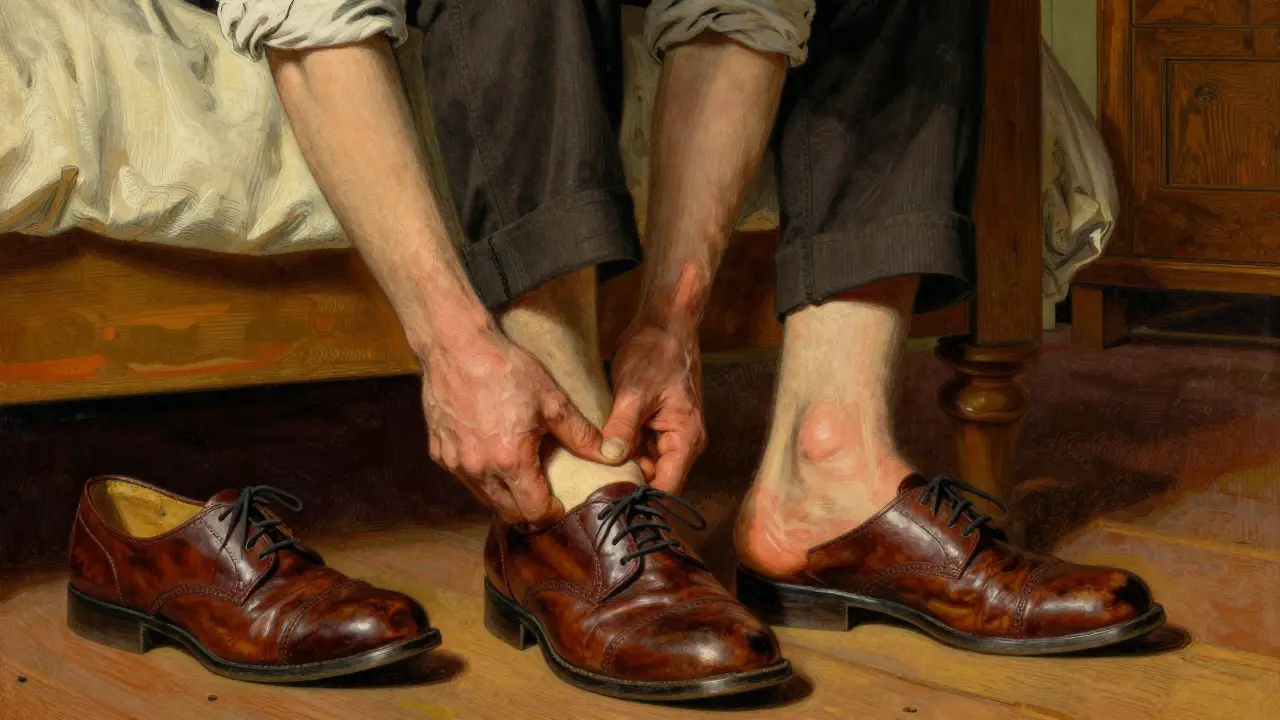
- Pedal Edema: Common with blood pressure meds; usually involves bilateral ankle swelling.
- Hand-Foot Syndrome (HFS): Specific to chemotherapy; presents as redness and tingling on palms and soles.
- Red Flags: Immediate care is needed for one-sided swelling, shortness of breath, or rapid weight gain.
- Management: Solutions range from dose adjustments and compression stockings to switching medication classes.
Why Some Medications Make You Swell
Not all swelling is created equal. Depending on what you are taking, your body is reacting in one of two primary ways. First, there is vasodilator-induced edema. Calcium channel blockers is a class of medication used to treat high blood pressure that relaxes the muscles of your blood vessels. While this lowers your blood pressure, it can increase capillary pressure, pushing fluid into the surrounding tissues. This is why many people on these drugs notice their ankles puffing up by the end of the day.
Then, there is sodium-retentive edema. This happens when a medication tells your kidneys to hold onto salt and water instead of flushing them out. NSAIDs (nonsteroidal anti-inflammatory drugs) and corticosteroids are common culprits here. When your body holds onto more sodium, it naturally retains more water, which eventually settles in your hands and feet due to gravity.
Recognizing the Different Types of Swelling
It is important to distinguish between general fluid retention and more specific reactions like Hand-Foot Syndrome (also known as palmar-plantar erythrodysesthesia). Unlike the general puffiness seen with blood pressure meds, HFS is often associated with chemotherapy agents like capecitabine. It doesn't just feel like "swelling"; it usually involves redness, tingling, and sometimes blistering on the palms of the hands and the soles of the feet.
Medical professionals grade HFS by severity to determine the next steps. Grade 1 is mild-maybe a bit of redness. Grade 2 is when the pain starts interfering with your daily chores. Grade 3 is severe, where you might struggle to hold a toothbrush or turn a doorknob. If you hit Grade 4, it can be life-threatening. On the other hand, pedal edema-the swelling of the lower legs-is often "pitting," meaning if you press your finger into the skin, the indent stays for a few seconds.
| Feature | Pedal Edema (Vasodilator/Sodium) | Hand-Foot Syndrome (HFS) |
|---|---|---|
| Primary Location | Ankles and lower legs | Palms and soles |
| Typical Cause | Amlodipine, NSAIDs, Steroids | Chemotherapy (e.g., Capecitabine) |
| Key Symptoms | Pitting, heaviness, skin tightness | Redness, tingling, blistering |
| Daily Pattern | Worse in evening, better after sleep | Persistent or triggered by pressure |
The "Red Flags": When to Call the Doctor Immediately
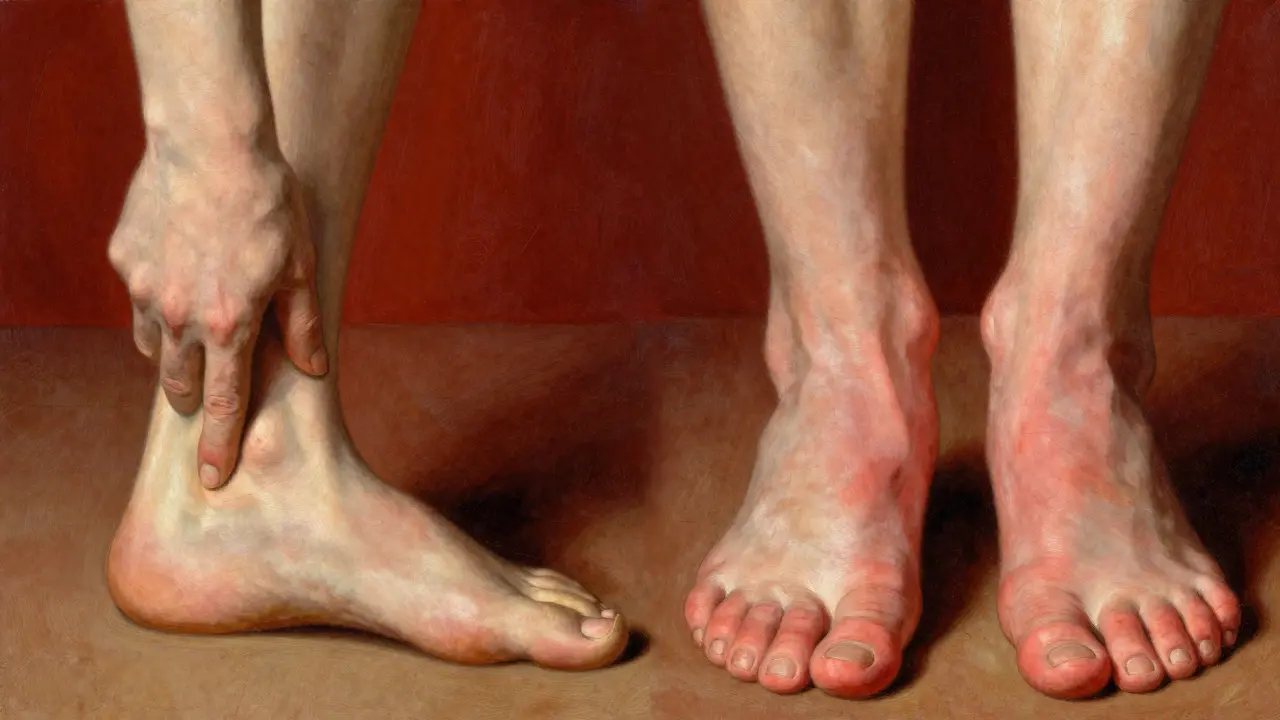
Most medication-induced swelling is manageable, but some signs mean you need to get to a clinic or ER right away. The most dangerous sign is unilateral swelling. If only one leg or one foot is swollen, this isn't typically a drug side effect; it is a major red flag for Deep Vein Thrombosis (DVT), which is a blood clot that can travel to your lungs.
You should also seek immediate help if the swelling is paired with any of the following:
- Shortness of breath: If you feel winded just walking to the kitchen, the fluid might be backing up into your lungs, suggesting heart failure.
- Chest pain: This can indicate your heart is struggling to pump effectively.
- Rapid weight gain: Gaining more than 2 pounds in 24 hours or 5 pounds in a week is a clear sign of systemic fluid overload.
- Urinary changes: A significant drop in how much you urinate (less than 500 mL a day) suggests your kidneys are struggling.
- Skin breakdown: If you see ulcers, open sores, or a strange blue/purple discoloration on the skin.
For those undergoing chemotherapy, the rules are slightly different. If you notice blisters (bullae) or develop a fever along with hand-foot redness, contact your oncologist the same day. Do not wait for your next scheduled appointment.
How to Manage the Puffiness at Home
If your doctor has confirmed the swelling is a non-emergency side effect, there are several practical ways to bring the volume down. For many, the most effective tool is simple gravity. Elevating your legs above the level of your heart for 30 minutes, three times a day, can physically shift fluid back toward your core and reduce the pressure in your ankles.
Dietary changes also play a huge role. Reducing your sodium intake to less than 2,300 mg per day helps stop the "salt-trap" effect that makes you retain water. You might also find relief with Compression stockings. Using stockings with a pressure of 20-30 mmHg helps squeeze the fluid out of the tissues and back into the bloodstream, preventing it from pooling in your lower legs.
For those dealing with HFS, moisture management is key. Some find that applying 10% urea cream twice daily to the palms and soles helps keep the skin supple and reduces the risk of cracking. While some people suggest Vitamin B6 supplements, the evidence is mixed, so it is best to check with your medical team before adding them to your regimen.

Medical Interventions and Dose Adjustments
Sometimes, home remedies aren't enough. If you are on a calcium channel blocker like amlodipine and the swelling is affecting your quality of life, your doctor has a few standard moves. They might lower your dose-for instance, moving from 10mg to 5mg can significantly drop the risk of edema. Alternatively, they might add a low-dose ACE inhibitor to the mix, which helps counteract the vasodilation effect.
In some cases, the only solution is to switch medications entirely. Many patients find that switching from a calcium channel blocker to a different class, such as an ARB (like losartan), resolves the swelling within a few days while still keeping their blood pressure under control. The goal is always to find the balance between the drug's benefit (like preventing a stroke) and the side effect's impact on your daily life.
Is it normal for my ankles to swell after starting blood pressure meds?
While common-especially with calcium channel blockers-it is not something you should just ignore. It occurs in up to 15% of users. While often harmless, it can sometimes mask more serious issues like heart or kidney problems, so you should always report it to your doctor.
How long does it take for the swelling to go away after stopping a medication?
Most medication-induced edema resolves within a few weeks after the drug is stopped or the dose is adjusted. In many cases, patients report significant improvement within 5 to 14 days.
Can I just take a diuretic to get rid of the swelling?
You should never start a diuretic (water pill) without a doctor's prescription. Diuretics can affect your electrolyte balance and interact with your other medications, potentially leading to dehydration or kidney stress.
What is the difference between pitting and non-pitting edema?
Pitting edema is when you press your finger into the swollen area and it leaves a temporary indentation or "pit." Non-pitting edema is firmer and the skin bounces back immediately; this is often associated with lymphedema rather than simple drug-induced fluid retention.
Do I need to worry if the swelling is only in my hands?
Yes, you should report it. While lower-body swelling is more common due to gravity, swelling in the hands can be a sign of sodium retention from NSAIDs or a specific reaction like Hand-Foot Syndrome if you are on chemotherapy.
Next Steps and Troubleshooting
If you are currently experiencing swelling, start by keeping a simple log. Note when the swelling is at its worst, what you ate (specifically salty foods), and any other symptoms like a cough or fatigue. This data is gold for your doctor; it helps them decide if you need a dose tweak, a new drug, or a referral to a cardiologist.
For those on long-term maintenance meds, remember that your body can change. A medication that worked for five years might suddenly cause edema if your kidney function shifts or if you start taking a new over-the-counter pain reliever. Keep an eye on your "baseline" and don't hesitate to speak up if your socks start leaving deep marks on your skin.
Write a comment