

Coming home with a new baby is supposed to be a time of pure joy, but for many, the reality feels more like a heavy fog or a constant state of panic. While almost everyone talks about the "baby blues," there is a much deeper, more challenging experience that doesn't just vanish after a few days. Postpartum Depression is a clinically significant mood disorder that occurs during or after pregnancy, characterized by severe depression, anxiety, and exhaustion. Often referred to as PPD, it affects roughly 1 in 7 new mothers, and it's far more than just being "tired" or "stressed." It is a medical condition that requires real support and professional intervention.
The good news is that PPD is treatable. Whether it's caused by a massive hormone crash, a lack of support, or a genetic predisposition, there are clear paths back to feeling like yourself again. We'll look at why this happens and what the current medical landscape offers for recovery.
The Hormonal Rollercoaster: Why Your Brain Feels Different
If you feel like your emotions are out of control, it's because your biology is undergoing one of the most drastic shifts possible. During pregnancy, levels of Estrogen and Progesterone skyrocket, increasing up to tenfold. Then, within just 48 to 72 hours after delivery, these levels plummet. This isn't a gradual decline; it's a crash. This sudden drop can create a "vulnerable terrain" in the brain, impacting how you process emotions and handle stress.
One specific metabolite of progesterone, called Allopregnanolone, is key here. It usually helps decrease irritability and calm the nervous system. When it vanishes overnight, some women experience a profound emotional instability. Additionally, Oxytocin-the "bonding hormone"-plays a huge role. Research shows that lower levels of oxytocin in the third trimester can correlate with higher rates of depression immediately after birth. Interestingly, breastfeeding often helps boost oxytocin, which can naturally ease some anxiety and depressive symptoms.
However, it's a mistake to blame hormones alone. While the biological trigger is real, PPD is rarely caused by a single factor. It's usually a combination of these hormonal shifts interacting with your genetic makeup, your history of mental health, and your current life circumstances.
Beyond Hormones: The Other Triggers of PPD
If hormones were the only cause, every single mother would experience PPD. Since they don't, we have to look at the psychosocial side of the equation. Sleep deprivation is a massive catalyst; when you aren't sleeping, your brain can't regulate mood, making a hormonal crash feel even more devastating. Lack of a reliable support system-whether that's a partner, family, or friends-can make the isolation of early motherhood feel unbearable.
There are also demographic and systemic factors at play. For example, data from the CDC shows that American Indian and Alaska Native mothers experience PPD at significantly higher rates (around 20.1%) compared to non-Hispanic white mothers (13.9%). This suggests that systemic stress and lack of access to culturally competent care contribute heavily to the risk.
It's also important to recognize that PPD isn't limited to cisgender women. Transgender and nonbinary parents, as well as adoptive parents, also face these struggles. Whether the trigger is biological (birth) or psychological (the massive life transition of adoption), the emotional outcome is the same.
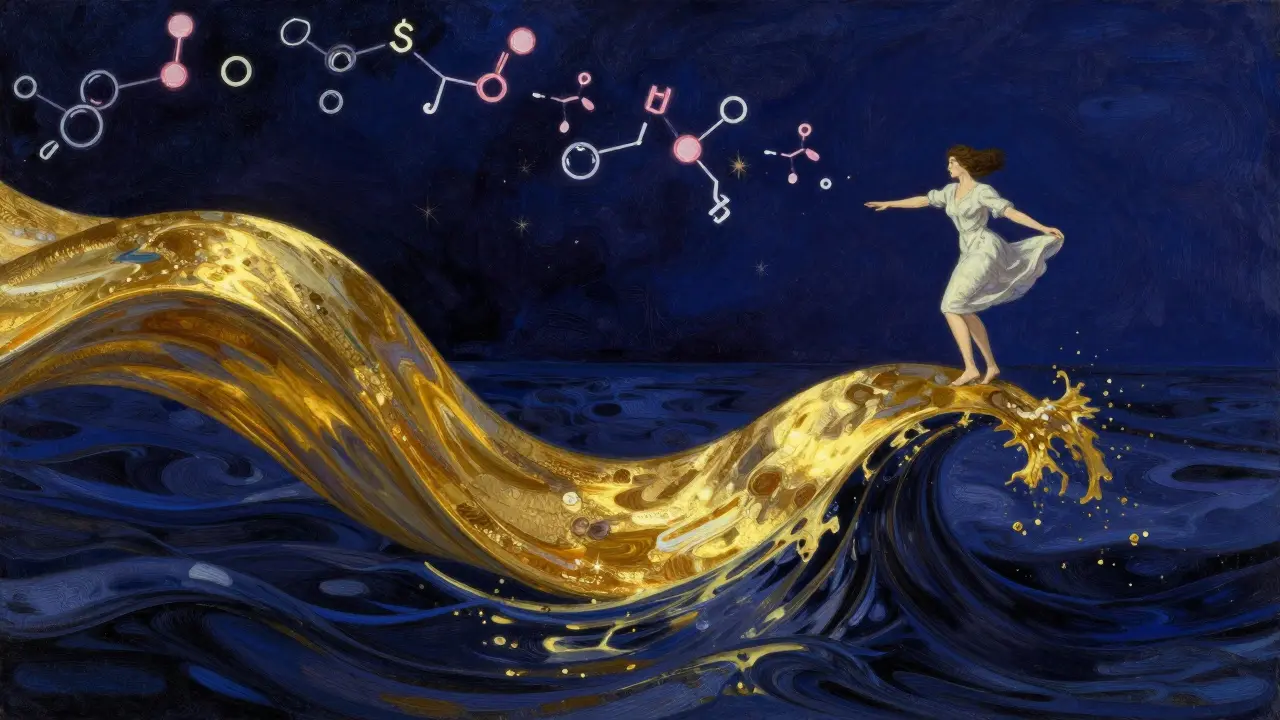
Modern Treatment Options: From Therapy to New Meds
Treating PPD is not a one-size-fits-all process. Depending on the severity of your symptoms, the approach can range from talking through your feelings to high-tech medical interventions.
Psychotherapy and Counseling
For mild to moderate PPD, therapy is often the first line of defense. Cognitive Behavioral Therapy (CBT) is particularly effective because it helps you identify negative thought patterns and replace them with healthier ones. Meta-analyses show that CBT has a significantly higher response rate than no treatment at all, helping mothers regain a sense of control and agency.
Traditional Medication (SSRIs)
When therapy isn't enough, doctors often prescribe SSRIs (Selective Serotonin Reuptake Inhibitors). Sertraline is frequently the go-to choice for breastfeeding mothers because it has a very favorable safety profile and low transfer rate into breast milk.
The New Wave of Neuroactive Steroids
In recent years, we've seen a breakthrough in medications that target the hormonal root of the problem rather than just the neurotransmitters. Brexanolone (Zulresso) was a game-changer as the first FDA-approved drug specifically for PPD, though its 60-hour IV infusion requirement made it difficult for many to access. Now, Zuranolone (Zurzuvae) provides an oral alternative, allowing women to treat PPD with a pill rather than a hospital stay.
| Treatment Type | Primary Mechanism | Administration | Best For... |
|---|---|---|---|
| CBT (Therapy) | Cognitive Restructuring | Weekly Sessions | Mild to Moderate symptoms |
| SSRIs (e.g., Sertraline) | Serotonin Regulation | Daily Pill | Moderate to Severe / Breastfeeding |
| Zuranolone | GABA-A Receptor Modulation | Short-course Pill | Rapid relief of severe symptoms |
| Brexanolone | Allopregnanolone Analog | Continuous IV Infusion | Severe cases needing inpatient care |
How to Identify and Screen for PPD
The hardest part of PPD is that many people don't realize they have it-they just think they are "bad parents" or "not coping." This is why standardized screening is so vital. The most widely used tool is the Edinburgh Postnatal Depression Scale (EPDS). It's a simple questionnaire that helps providers catch depression early, often before it spirals into a crisis.
If you're trying to figure out if you're experiencing the "baby blues" or PPD, look at the timing and intensity. The baby blues usually hit a few days after birth and vanish within two weeks. PPD can start during pregnancy or any time in the first year. If you feel an inability to bond with your baby, intrusive thoughts of harm, or a total lack of interest in things you used to love, it's time to call a professional.

Avoiding Common Pitfalls in Recovery
One of the biggest mistakes people make is waiting too long to seek help. There is a lingering stigma that asking for help means you aren't "strong enough" to be a parent. In reality, treating PPD is the strongest thing you can do for your child. Untreated PPD can interfere with maternal-infant bonding and may impact the child's cognitive and emotional development.
Another pitfall is relying solely on "lifestyle advice." While sleep, nutrition, and exercise are great, they cannot replace medical treatment for a clinical chemical imbalance. You cannot "yoga your way out" of a severe neuroendocrine crash. Use lifestyle changes to support your medical treatment, not as a substitute for it.
Is postpartum depression the same as the baby blues?
No. The baby blues are transient, affecting up to 80% of new mothers, and usually resolve within two weeks. PPD is a clinical condition with more severe symptoms that last longer and require professional treatment.
Can fathers or partners get postpartum depression?
Yes. Roughly 10% of new fathers experience postnatal depression. While they don't undergo the same hormonal crash as the birthing parent, the stress of a new child, sleep deprivation, and relationship shifts can trigger depressive episodes.
Are antidepressants safe while breastfeeding?
Many are. Sertraline, for example, is often preferred by doctors because it has a very low transfer rate into breast milk and a strong safety record. Always consult with your provider to choose the right medication for your specific needs.
How long does PPD treatment usually take?
It varies. Some respond to CBT or oral medications within a few weeks, while others may need several months of therapy and medication to maintain stability. The goal is a full return to baseline functioning.
What should I do if I'm afraid of my thoughts?
If you're having intrusive thoughts or feeling unable to keep yourself or your baby safe, seek immediate help. Contact a crisis hotline, go to the nearest emergency room, or call your OB-GYN. These thoughts are symptoms of the illness, not reflections of your character.
Next Steps for Recovery
If you suspect you have PPD, your first step should be a conversation with your healthcare provider. Ask specifically to be screened using the Edinburgh Postnatal Depression Scale. If you aren't comfortable with your current doctor, look for a reproductive psychiatrist or a licensed therapist specializing in perinatal mental health.
For those who aren't ready for clinical intervention but need community, peer support is a great bridge. Organizations like Postpartum Support International offer warmlines and support groups that can reduce the isolation and provide a safe space to share experiences. Remember, the goal isn't to be a "perfect" parent, but a healthy one. Taking care of your mind is the best gift you can give your child.
Write a comment