
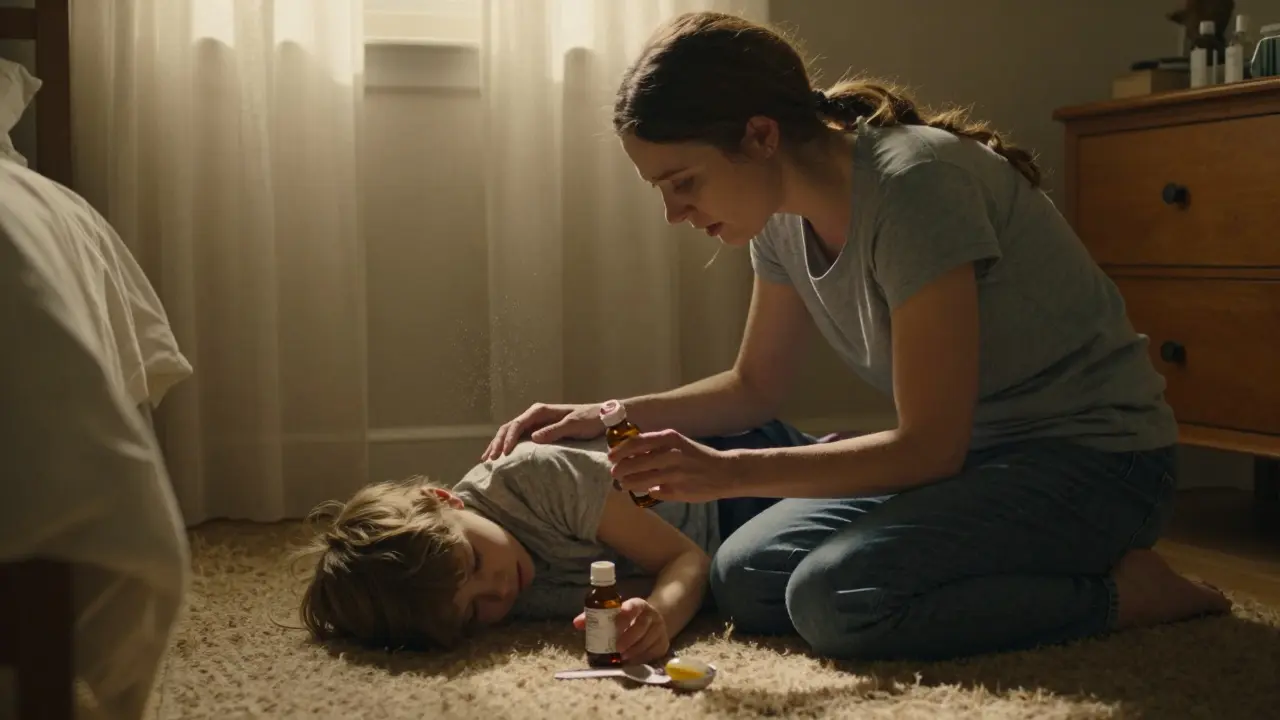
Every year, over a million children under six in the U.S. are exposed to medications they weren’t supposed to take. Most of these cases aren’t accidents in the traditional sense - they happen because a pill was left on a nightstand, a liquid medicine wasn’t locked away, or two different cold remedies were mixed up, both containing the same active ingredient. The danger isn’t always obvious. A child might seem fine for hours after swallowing something they shouldn’t. But inside their body, damage could already be spreading - especially with drugs like acetaminophen or opioids.
What Does a Medication Overdose Look Like in a Child?
The signs of a pediatric medication overdose don’t look the same for every drug. That’s why it’s not enough to just wait for a child to throw up or act strangely. You need to know what to look for based on the type of medication they might have taken.
With opioids - including prescription painkillers like oxycodone or illicit drugs like fentanyl - the body shuts down slowly. You might notice the child’s pupils become tiny, like pinpoints. Their skin turns cold and clammy, and their lips or fingernails may look blue or gray. They might make gurgling sounds, like they’re choking, even if they’re not. Their breathing gets shallow, slow, or stops completely. They won’t respond when you shake them or call their name. This isn’t sleep. This is a medical emergency.
For acetaminophen (Tylenol), the danger is silent. In the first 24 hours, a child might show no symptoms at all. No vomiting. No crying. No fever. But inside their liver, cells are dying. After a day or so, nausea, vomiting, and stomach pain appear. By then, it’s already too late for simple treatment. The Cleveland Clinic says that if you give the antidote, N-acetylcysteine (NAC), within eight hours of overdose, it’s 100% effective. After 16 hours, that drops to 40%. That’s why you can’t wait for symptoms to show.
Stimulant overdoses - often from ADHD meds like Adderall or Ritalin - flip the script. Instead of slowing down, the body goes into overdrive. The child may be shaking, sweating, or having seizures. Their heart races, their blood pressure spikes, and they might become paranoid, hallucinate, or act violently. Some kids develop a dangerously high body temperature, which can cause organ failure. Others lose coordination, have chest pain, or even suffer a stroke.
Other common culprits include cough and cold medicines, which often contain antihistamines or decongestants. These can cause drowsiness, blurred vision, dry mouth, and rapid heartbeat. In high doses, they can lead to seizures or coma.
When to Call Poison Control - Even If They Seem Fine
If you suspect your child swallowed any medication they weren’t supposed to - even if they’re acting normal - call Poison Control immediately. The number is 800-222-1222. It’s free, confidential, and available 24/7. You don’t need to be sure. You don’t need to know exactly what they took. Just call.
Poison Control specialists have access to databases that track every drug, dosage, and child’s weight. They can tell you whether the amount ingested is dangerous, what symptoms to watch for, and whether you need to go to the ER. In 2023, their new online tool, webPOISONCONTROL®, handled over 120,000 cases. Many of those were resolved without a hospital visit - but only because parents called early.
Don’t wait. Don’t Google it. Don’t ask a friend. Don’t assume it’s "just a little bit." The American Academy of Pediatrics says 70% of acetaminophen overdoses in kids happen because parents didn’t realize two different medicines contained the same ingredient. One was for fever. The other was for cold symptoms. Both had acetaminophen. Together, they added up to a toxic dose.
When to Call 911 - Right Now
Some signs mean you don’t have time to call Poison Control first. If your child is:
- Unresponsive - not waking up, not moving, not reacting to pain
- Not breathing or breathing very slowly
- Having seizures or uncontrollable shaking
- Swelling in the face, lips, or tongue
- Turning blue or gray, especially around the mouth
- Experiencing chest pain or a racing heart with no clear cause
Then call 911 immediately. Don’t wait. Don’t drive yourself. Emergency responders can start life-saving treatment on the way - like giving naloxone for opioid overdoses. Naloxone can reverse an opioid overdose in minutes. Keep it in your home if you or anyone nearby uses opioids, even if it’s just for pain. One dose might save a child’s life.
Why Timing Matters More Than You Think
Time isn’t just a factor - it’s the difference between full recovery and permanent damage. For acetaminophen, the liver doesn’t hurt until it’s too late. The body doesn’t warn you. That’s why doctors say: if you think your child took too much Tylenol, treat it like a fire. Put it out before the flames spread.
For opioids, every minute without oxygen can cause brain damage. If a child stops breathing for more than five minutes, the risk of lasting neurological injury skyrockets. That’s why rescue breathing matters - even before paramedics arrive.
And for stimulants, a body temperature over 104°F can cause muscle breakdown, kidney failure, and death. Cooling the child down fast - with cool cloths, a fan, and fluids - can be the difference between survival and tragedy.
How to Prevent Overdose Before It Happens
Most pediatric overdoses happen at home. The CDC says 60% of cases occur in the child’s own house. That means prevention starts with how you store and use medicines.
- Lock everything up. Not just in a cabinet - in a locked cabinet. Many "child-resistant" caps can be opened by kids as young as two.
- Never call medicine "candy." Even saying "this will make you feel better like candy" teaches kids to associate pills with treats.
- Use the measuring tool that comes with liquid medicine. Don’t use a kitchen spoon. A teaspoon isn’t the same as a medicine spoon.
- Check every bottle for acetaminophen or ibuprofen. Many cold, flu, and allergy meds include them. Don’t combine them with pain relievers.
- Keep a list of all medications in your home - including vitamins and supplements - and update it monthly.
Since 2020, the FDA required liquid acetaminophen to come in single-dose packaging. That’s cut unintentional overdoses by 19%. But it’s not enough. Parents still misread labels. Still give extra doses "just in case." Still keep old bottles in the bathroom.
What to Do If You Find a Child Who’s Overdosed
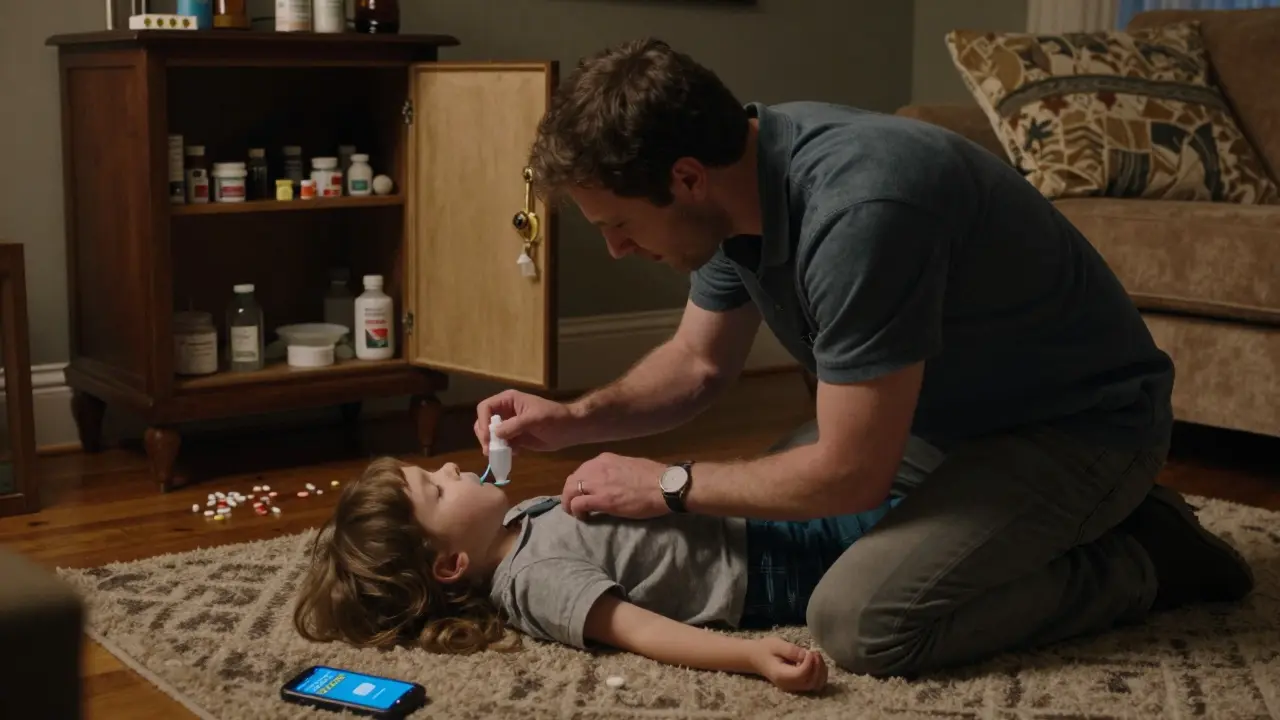
If you find a child who’s unresponsive:
- Shout their name and shake their shoulder. If they don’t respond, call 911 right away.
- Check if they’re breathing. Look for chest movement. Listen for breaths.
- If they’re not breathing or breathing very slowly, start rescue breathing. Tilt their head back, pinch their nose, and give one breath every 3 seconds.
- If you have naloxone and suspect opioids, give one dose in the nose or muscle. Wait 2-3 minutes. If no response, give a second dose.
- Stay with them until help arrives. Even if they wake up, they need medical evaluation.
Don’t try to make them vomit. Don’t give them milk or charcoal unless a poison specialist tells you to. You could make things worse.
What Happens After You Call for Help?
Once you get to the hospital, doctors will check blood levels, liver function, heart rhythm, and brain activity. For acetaminophen, they’ll give NAC through an IV. For opioids, they’ll monitor breathing and may give more naloxone. For stimulants, they’ll cool the body and calm the nervous system with medications.
Recovery depends on how fast you acted. Most kids who get treatment within the first few hours make a full recovery. But delays mean longer hospital stays, organ damage, or worse.
The good news? You don’t have to be a doctor to save a child’s life. You just have to know the signs. You just have to act fast. And you have to call - even if you’re not sure.
What should I do if my child swallowed a pill but seems fine?
Call Poison Control at 800-222-1222 immediately. Many medications, like acetaminophen or opioids, cause damage before symptoms appear. Even if your child seems fine, they could be in danger. Poison Control experts can assess the risk based on the drug, amount, and your child’s weight - and tell you exactly what to do next.
Can I wait to see if symptoms develop before calling?
No. Waiting can be deadly. With acetaminophen, liver damage begins within hours but doesn’t show symptoms for up to 24. With opioids, breathing can stop without warning. The window for effective treatment is narrow. Calling early gives medical teams the best chance to prevent permanent harm or death.
Is it safe to give my child syrup of ipecac to make them throw up?
No. Syrup of ipecac is no longer recommended for any type of poisoning. It doesn’t reliably remove toxins and can cause dangerous side effects like dehydration, seizures, or aspiration. Always follow the advice of Poison Control or emergency responders - never use home remedies.
How do I know if a medication contains acetaminophen?
Check the "Active Ingredients" section on the drug facts label. Acetaminophen is also listed as APAP. Many cold, flu, and pain medicines include it - even if they’re marketed for kids. Never combine more than one product with acetaminophen, even if they’re different brands.
Are child-resistant caps enough to keep kids safe?
No. While child-resistant packaging helps, studies show that 20% of poisonings still happen with these caps. Many children under three can open them within minutes. The safest method is to store all medications in a locked cabinet, out of sight and reach - even if the bottle has a child-resistant cap.
What should I do if I think my child took a medication laced with fentanyl?
Call 911 immediately. Fentanyl is 50 to 100 times stronger than morphine, and even a tiny amount can stop breathing. If you have naloxone, give one dose right away. Wait 2-3 minutes. If there’s no improvement, give a second dose. Stay with the child and continue rescue breathing until help arrives. Fentanyl overdoses often require multiple doses of naloxone.


Write a comment