
When people talk about dementia, a group of brain disorders that cause memory loss, confusion, and trouble with daily tasks. Also known as cognitive decline, it’s not one disease—it’s a category that includes several distinct conditions, each with its own causes, symptoms, and progression. Many assume dementia just means forgetting names or where you put your keys. But the reality is more complex. Some types attack memory first. Others mess with behavior, movement, or even how you see things. Knowing the difference isn’t just academic—it affects treatment, care planning, and what to expect down the road.
One of the most common types is Alzheimer’s disease, a progressive brain disorder that slowly destroys memory and thinking skills. It’s responsible for 60-80% of cases. Then there’s vascular dementia, caused by reduced blood flow to the brain, often after a stroke or multiple small vessel blockages. This one can hit suddenly and worsen in steps, not slowly. Lewy body dementia, linked to abnormal protein deposits in the brain, brings hallucinations, sleep issues, and Parkinson-like tremors. And frontotemporal dementia, which targets the front and sides of the brain, often changes personality before memory—someone might become impulsive, rude, or emotionally flat, long before they forget your name.
These aren’t just labels. Each type responds differently to meds, needs different care strategies, and affects families in unique ways. For example, someone with Lewy body dementia might react badly to common antipsychotics, while vascular dementia can be slowed by controlling blood pressure and diabetes. You won’t find one-size-fits-all answers here. That’s why the posts below dig into real-world details: how to spot early signs, what tests doctors actually use, why some meds work for one type but not another, and how to manage symptoms at home. You’ll find practical advice on medication safety, recognizing side effects, and navigating care when things get complicated. There’s no magic cure—but understanding the differences gives you real power to act, plan, and protect.
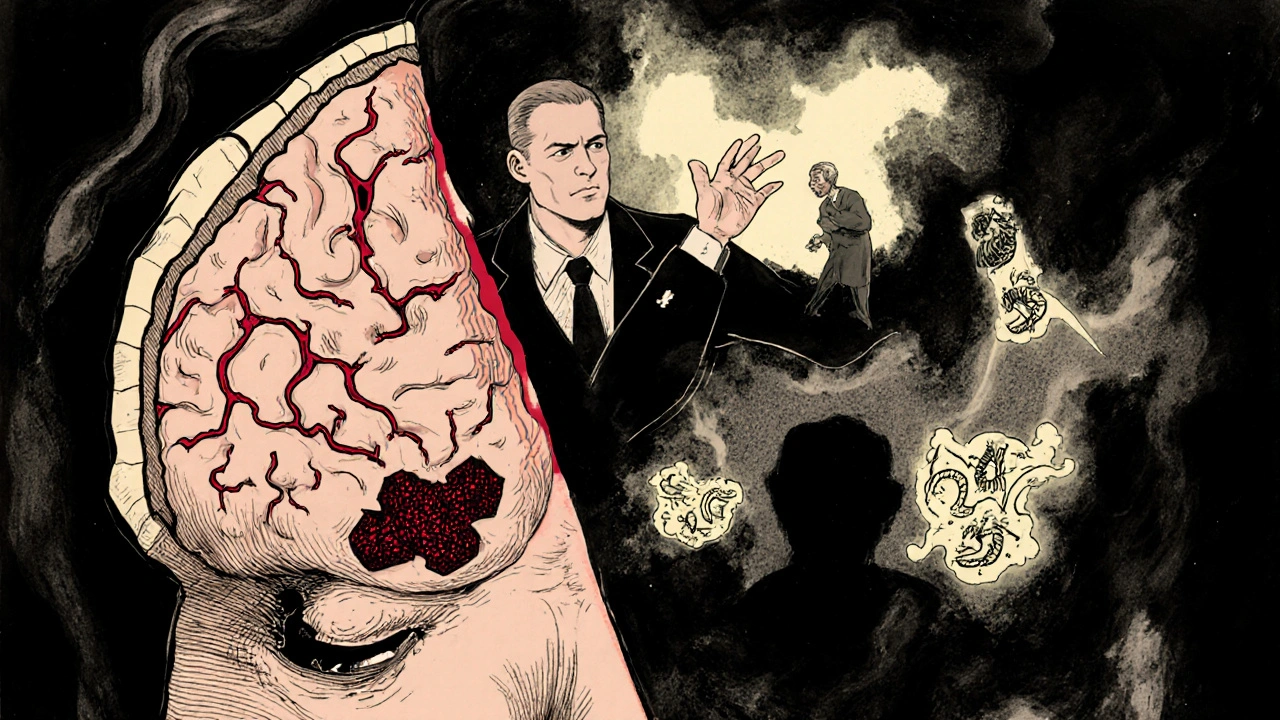
Vascular, frontotemporal, and Lewy body dementia are three distinct types with different causes, symptoms, and treatments. Learn how to tell them apart and why accurate diagnosis matters for care and safety.