
When a drug has a narrow therapeutic index, a small difference between the effective dose and the toxic dose. Also known as low therapeutic index, it means your body can’t tolerate much variation—too little and it doesn’t work, too much and you could end up in the hospital. This isn’t just a technical term. It’s a life-or-death detail for people taking drugs like warfarin, digoxin, or levothyroxine. These aren’t your average pills. They’re precision tools, and even a slight change in how your body absorbs them can throw your whole system off balance.
That’s why switching from a brand-name drug to a regular generic isn’t always safe. Not all generics are created equal. Some may have slightly different fillers, coatings, or release rates—even if they contain the same active ingredient. For drugs with a narrow therapeutic index, those tiny differences matter. Pharmacists often recommend authorized generics, exact copies of brand-name drugs made by the same company because they’re chemically identical. That’s why patients on blood thinners like warfarin or thyroid meds like levothyroxine are told to stick with the same version. One study found INR levels jumped unpredictably in people who switched warfarin brands, even when the dose stayed the same. The same goes for seizure meds like phenytoin or immunosuppressants like cyclosporine. These aren’t drugs you want to gamble with.
It’s not just about switching brands. Even small changes in how you take the drug can cause problems. Eating a big serving of leafy greens while on warfarin? That vitamin K can lower your INR. Drinking alcohol while on certain meds? That can spike side effects. Storing your pills in a humid bathroom? Moisture can break them down faster. That’s why the posts in this collection focus on real-world risks: how green tea affects warfarin, why you shouldn’t swap thyroid meds without checking your labs, and when a pharmacist should step in and say, "Don’t switch." These aren’t hypotheticals. They’re daily decisions that can mean the difference between feeling stable and ending up in the ER.
What you’ll find here isn’t theory. It’s what actually happens when people take these high-risk meds. From how patent expirations impact access to these drugs, to why cleanroom standards in generic manufacturing matter more for narrow therapeutic index drugs than for others, every post ties back to one truth: precision matters. If you’re on one of these meds—or care for someone who is—this collection gives you the practical, no-fluff facts you need to stay safe.
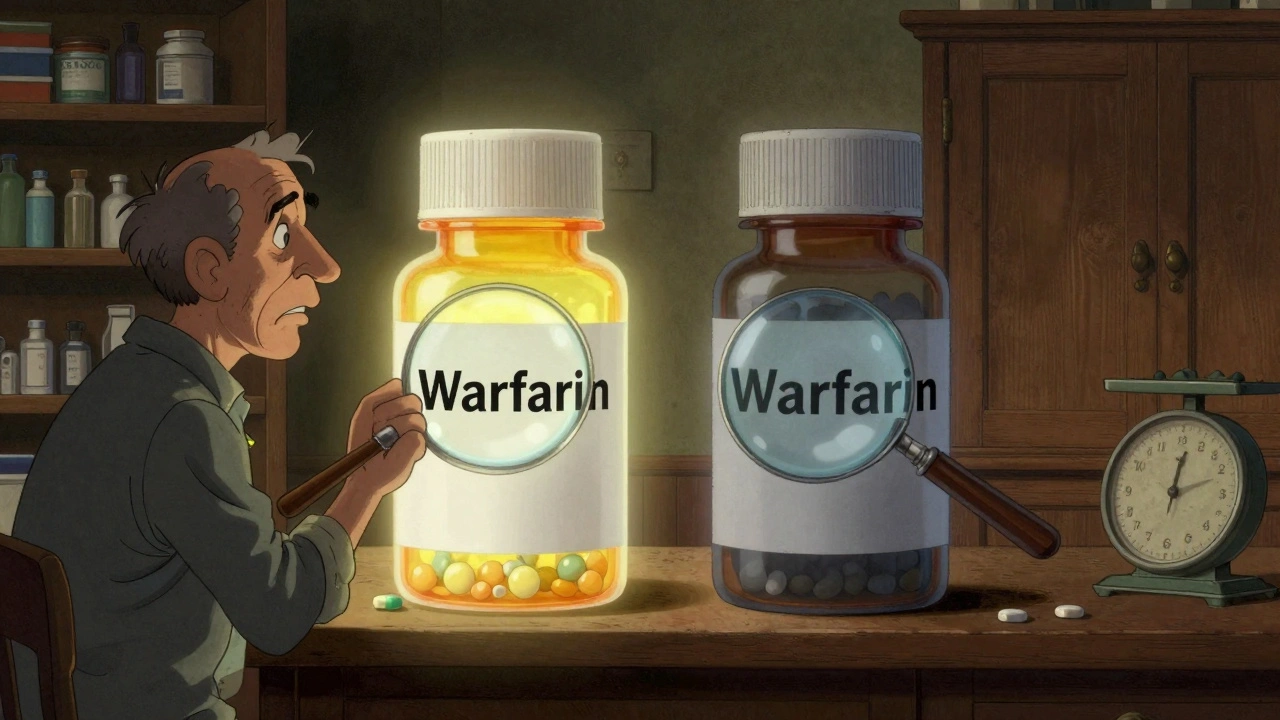
Switching between generic versions of NTI drugs like warfarin, levothyroxine, or lithium can pose serious risks due to narrow therapeutic windows. Learn why even small differences in formulation matter and how to protect your treatment.