
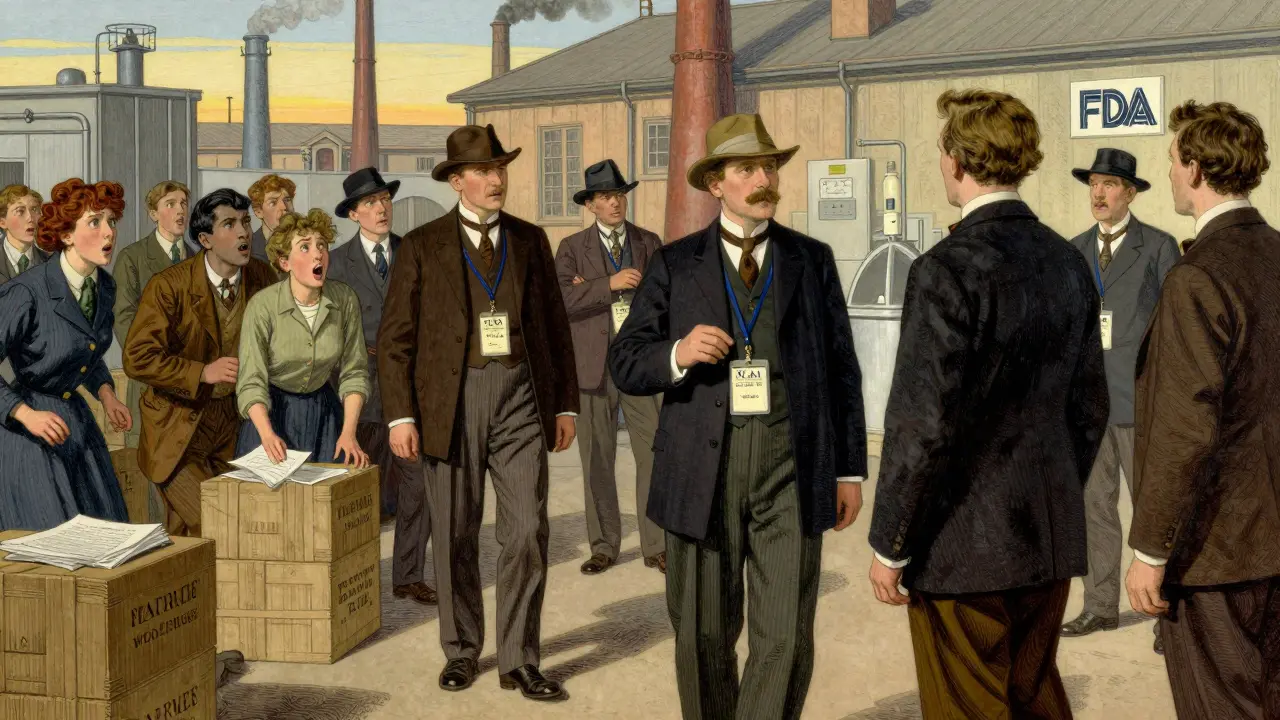
On May 6, 2025, the U.S. Food and Drug Administration (FDA) made a major shift in how it oversees global manufacturing. For the first time, unannounced inspections became standard practice for foreign facilities-just like they've been for domestic ones for decades. Why the change? Because surprise visits reveal the truth. Without warning, inspectors see how facilities really operate every day. No time to clean up, no chance to hide problems. This is critical for keeping medicines and food safe.
The Real Reason Behind Surprise Inspections
Think about it: if a factory knows inspectors are coming, they might scramble to fix issues temporarily. But real compliance isn't about a one-time cleanup. It's about consistent, everyday practices. Unannounced inspections cut through that. They’re the only way to catch serious problems before they reach consumers. FDA Assistant Commissioner Michael Rogers said it clearly: "These inspections provide real-time evidence and insights that are essential for making fact-based regulatory decisions to protect public health" (FDA Press Announcement, May 6, 2025). When facilities get advance notice, they often hide flaws. Without warning, the FDA sees the raw, unvarnished reality of daily operations.
How FDA Inspections Work
When FDA investigators arrive unannounced, they immediately show credentials and hand over Form FDA 482 (Notice of Inspection). This official notice explains the inspection’s purpose. Then, they start reviewing records-Standard Operating Procedures (SOPs), manufacturing logs, quality control data. They might walk through the facility, checking equipment, storage conditions, or even asking to see a live production run. The process varies based on facility size and complexity, but the goal is always the same: verify that safety standards are met consistently. For example, during a surprise visit to a sterile drug facility, investigators might suddenly request access to the cleanroom to test immediate compliance with contamination controls (Bioprocess International, 2025).
The Foreign vs Domestic Double Standard
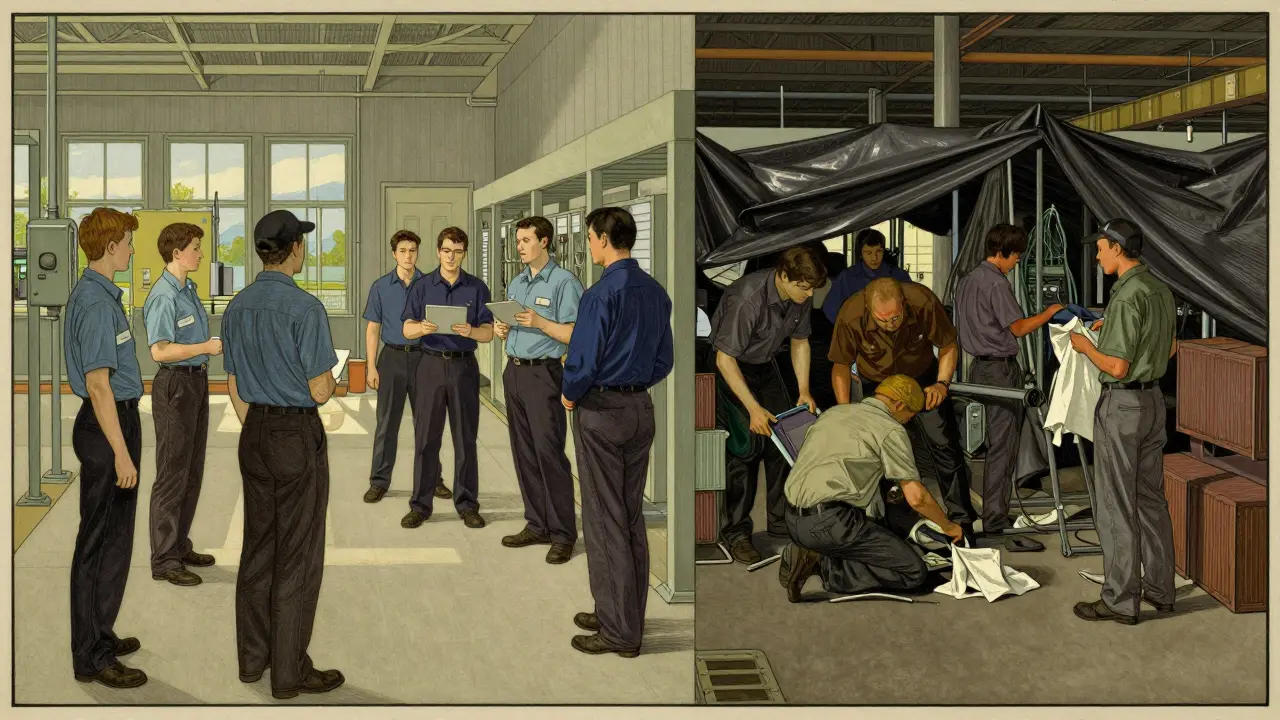
Before May 2025, there was a big gap. Domestic facilities usually faced surprise inspections. But foreign manufacturers often got weeks of notice. This created a double standard. The FDA found that when foreign facilities had time to prepare, serious issues were found more than twice as often as during domestic inspections. For example, in 2024, over 90% of foreign inspections with advance notice revealed serious deficiencies, compared to 45% for domestic ones. That’s why the policy changed-to hold all manufacturers to the same standard. Approximately 40% of finished drugs and 80% of active pharmaceutical ingredients consumed in the U.S. come from overseas (FDA data cited in industry analyses). If foreign facilities weren’t held to the same rigor, American consumers would be at greater risk.
What Happens During an Inspection?
Inspection duration depends on the facility’s operations and complexity. Investigators typically review Quality Management System (QMS) documentation, check batch records, and verify that equipment is properly maintained. They might also interview staff about procedures. If problems are found, they issue Form 483 observations-a list of specific violations. Even "No Action Indicated" inspections provide valuable intelligence that strengthens the FDA’s oversight system. The agency states this "expanded approach marks a new era in FDA enforcement-stronger, smarter, and unapologetically in support of the public health and safety of Americans" (FDA Press Announcement, May 6, 2025).
How Manufacturers Can Prepare
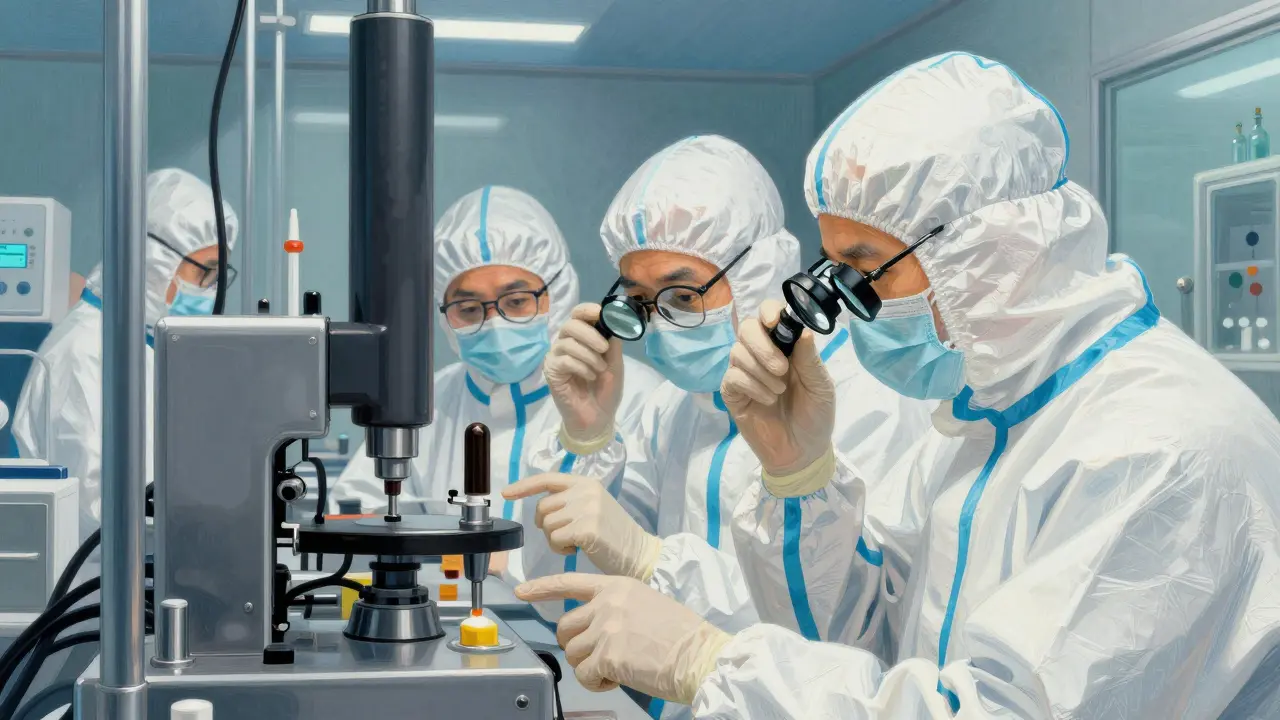
Experts say preparation is everything. Companies should conduct regular mock inspections to simulate surprise visits. Train staff to verify credentials immediately and contact designated personnel. Use QMS software to keep records organized and accessible. Greenlight Guru emphasizes: "it's important to adopt the best QMS software tools that have the guardrails in place to protect you in the event of an unannounced inspection; meaning you won’t always have time to duct-tape your legacy system tools before they walk through your door" (Greenlight Guru, 2025). Parexel advises: "develop a clear response plan: Create and communicate a comprehensive plan for managing unannounced FDA inspections" (Parexel Blog, 2025). This includes knowing exactly who handles communications, where critical documents are stored, and how to respond to investigator requests.
Common Questions About Unannounced FDA Inspections
Can a facility refuse an FDA inspection?
Yes, but refusing an inspection has serious consequences. The FDA can issue a warning letter, detain products, or even ban imports. In extreme cases, the agency may pursue legal action. The FDA explicitly states it 'is authorized to take regulatory action against any firm that seeks to delay, deny, or limit an inspection' (FDA Press Announcement, May 6, 2025). It's always better to cooperate and address concerns during the inspection.
How often do unannounced inspections happen for foreign facilities?
The FDA has indicated it will "increase the frequency of unannounced inspections at foreign facilities" as part of its strategic enforcement approach (McGuireWoods Alert, May 2025). Before the May 2025 policy change, foreign facilities typically received advance notice for inspections. Now, surprise visits are the norm, with the agency conducting about 3,000 foreign inspections annually across more than 90 countries (Parexel Blog, 2025). The exact frequency depends on risk factors, but manufacturers should expect regular unannounced visits without warning.
What happens if serious issues are found during an inspection?
If serious violations are discovered, the FDA issues a Form 483 listing specific problems. For critical issues like falsified records or contamination risks, the agency can take immediate action-such as seizing products, halting production, or banning imports. The FDA states unannounced inspections "will help expose bad actors-those who falsify records or conceal violations-before they can put American lives at risk" (FDA Press Announcement, May 6, 2025). Companies must respond to Form 483 within 15 days with corrective actions, or face further regulatory consequences.
Do foreign authorities get notified before unannounced inspections?
Historically, the FDA coordinated with foreign Competent Authority agencies before inspections. This included sharing itineraries and inviting observers. However, the May 2025 policy change did not clarify whether this practice continues for unannounced inspections. Lawyers at Hogan Lovells note this "raises many unanswered questions" (Sedgwick Blog, June 10, 2025). Some experts believe the FDA may now conduct inspections without prior notice to foreign regulators, which could complicate international cooperation. Companies should prepare for inspections without assuming coordination with local authorities.
How do language barriers affect foreign inspections?
Language barriers remain a challenge, especially for facilities in non-English-speaking countries. Previously, advance notice allowed time to arrange translators. Now, with unannounced inspections, facilities must have real-time translation capabilities ready. The FDA requires all communications during inspections to be understood by investigators, so companies must ensure staff can explain procedures clearly or have interpreters available. Parexel advises preparing for "immediate language challenges" during surprise visits, including training key personnel to handle technical discussions in English or other languages used by FDA staff.


Write a comment