
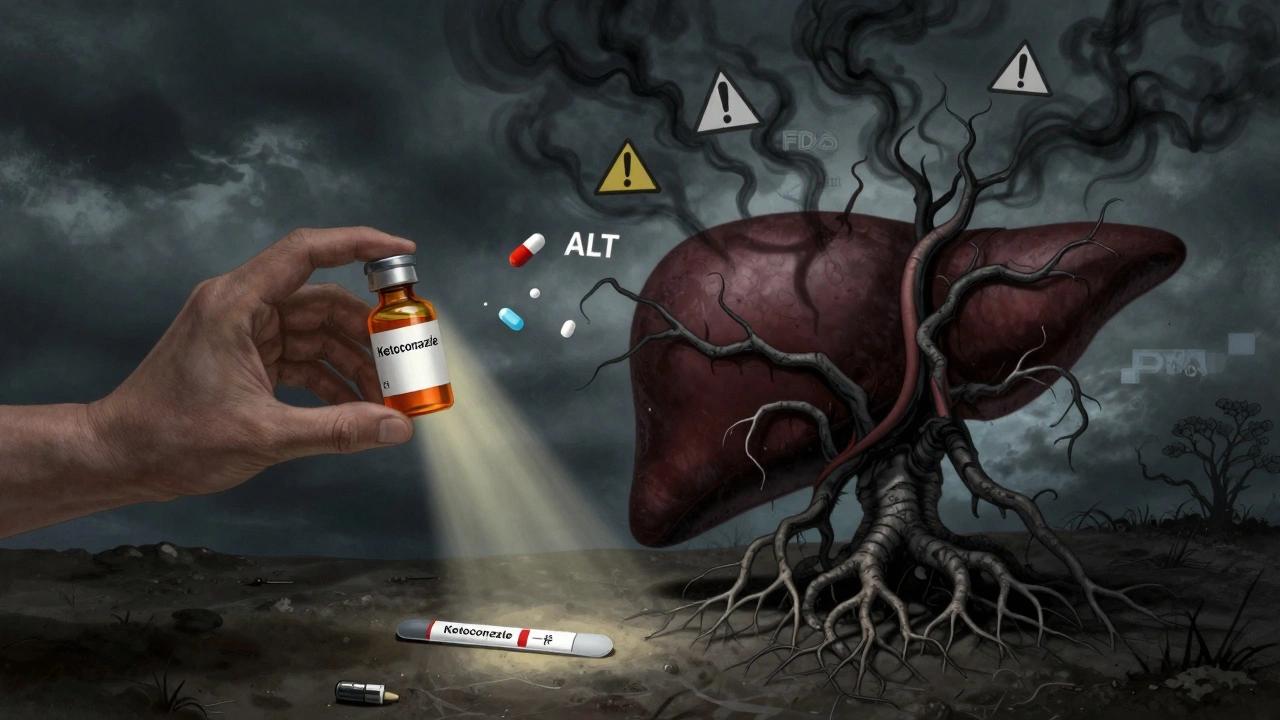
Antifungals can save lives but carry serious liver risks. Learn which drugs are most dangerous, how they interact with other medications, and what monitoring you need to stay safe.
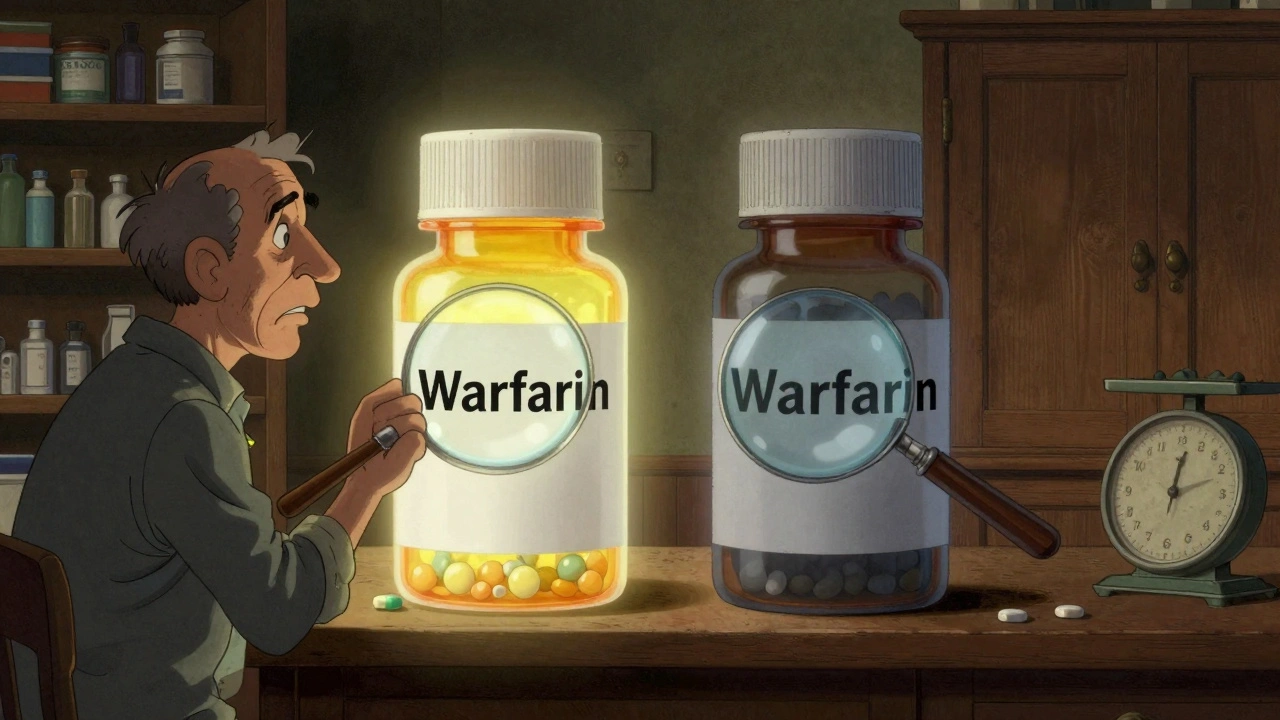
Switching between generic versions of NTI drugs like warfarin, levothyroxine, or lithium can pose serious risks due to narrow therapeutic windows. Learn why even small differences in formulation matter and how to protect your treatment.
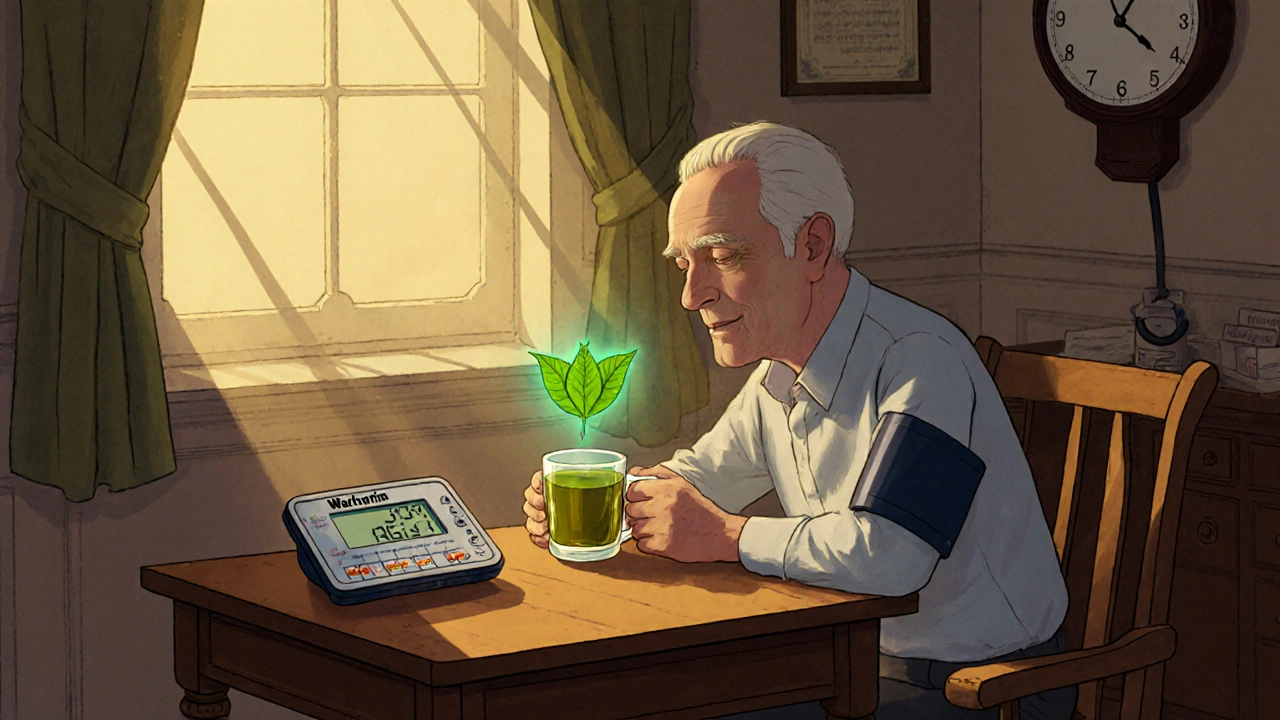
Green tea can affect warfarin's effectiveness through vitamin K content. Moderate consumption (1-3 cups daily) is safe, but matcha and excessive intake can lower INR. Consistency matters more than avoidance.
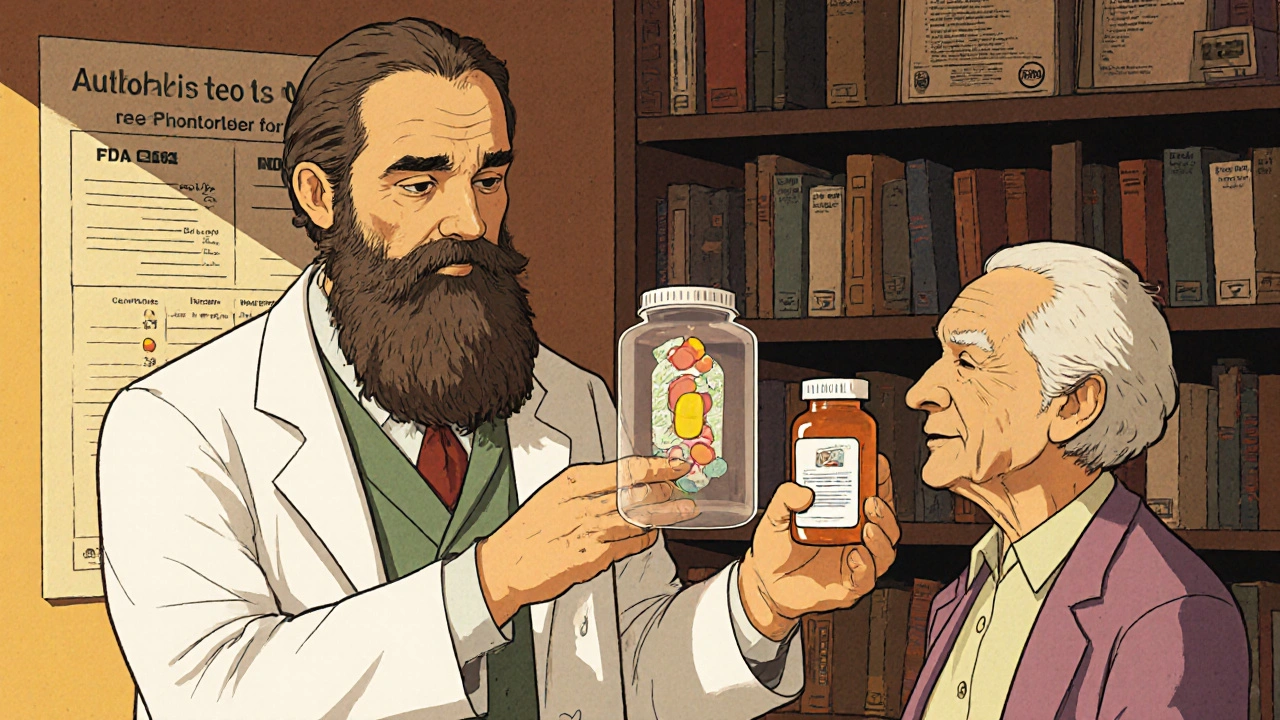
Pharmacists should recommend authorized generics for patients with dietary restrictions, narrow therapeutic index drugs, or unexplained side effects after switching to regular generics. These are identical to brand-name drugs but cost 20-80% less.
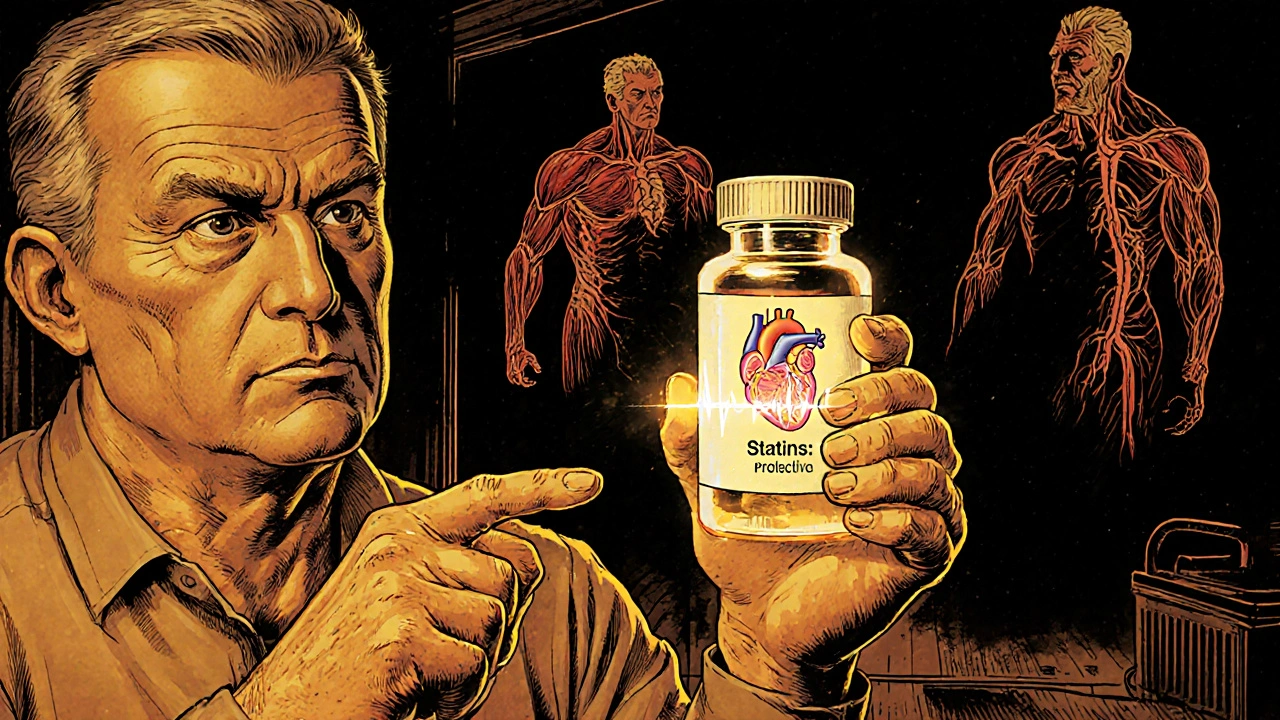
Statins lower LDL cholesterol and cut heart attack risk by up to 30%, but muscle pain affects 5-10% of users. Learn how they work, who benefits most, and what to do if you experience side effects.
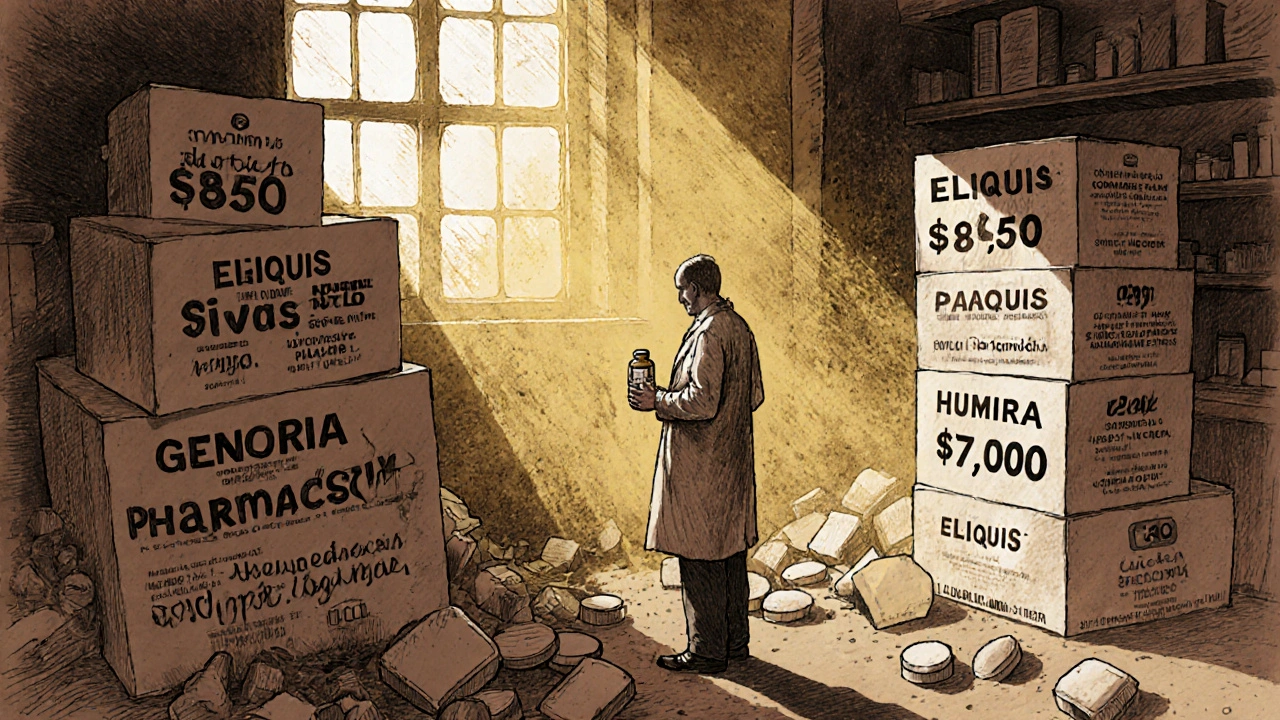
When pharmaceutical patents expire, drug prices often drop by 80% or more-but rebates, insurance rules, and patent thickets can block savings from reaching patients. Here’s how it really works.

Cleanroom standards ensure generic drugs are safe and effective by controlling particles, microbes, and environmental conditions. From ISO classifications to FDA inspections, this is how quality is maintained - and why it costs so much.
Drug manufacturers are under severe financial strain as rising raw material costs and frozen reimbursement rates lead to widespread shortages. Generic drug makers, already operating on thin margins, are shutting down lines, cutting staff, and struggling to keep life-saving medications in stock.
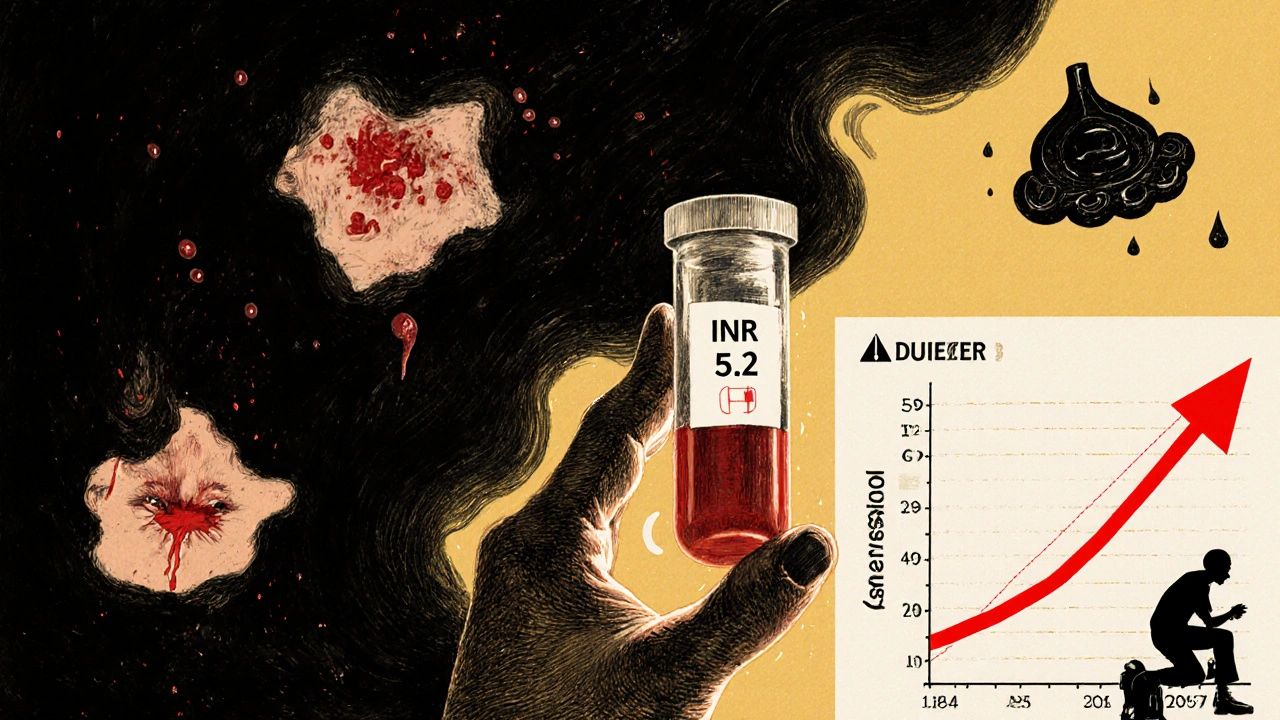
Warfarin prevents dangerous blood clots but carries serious bleeding risks. Learn the warning signs, what to avoid, when to seek help, and how to stay safe on this powerful blood thinner.
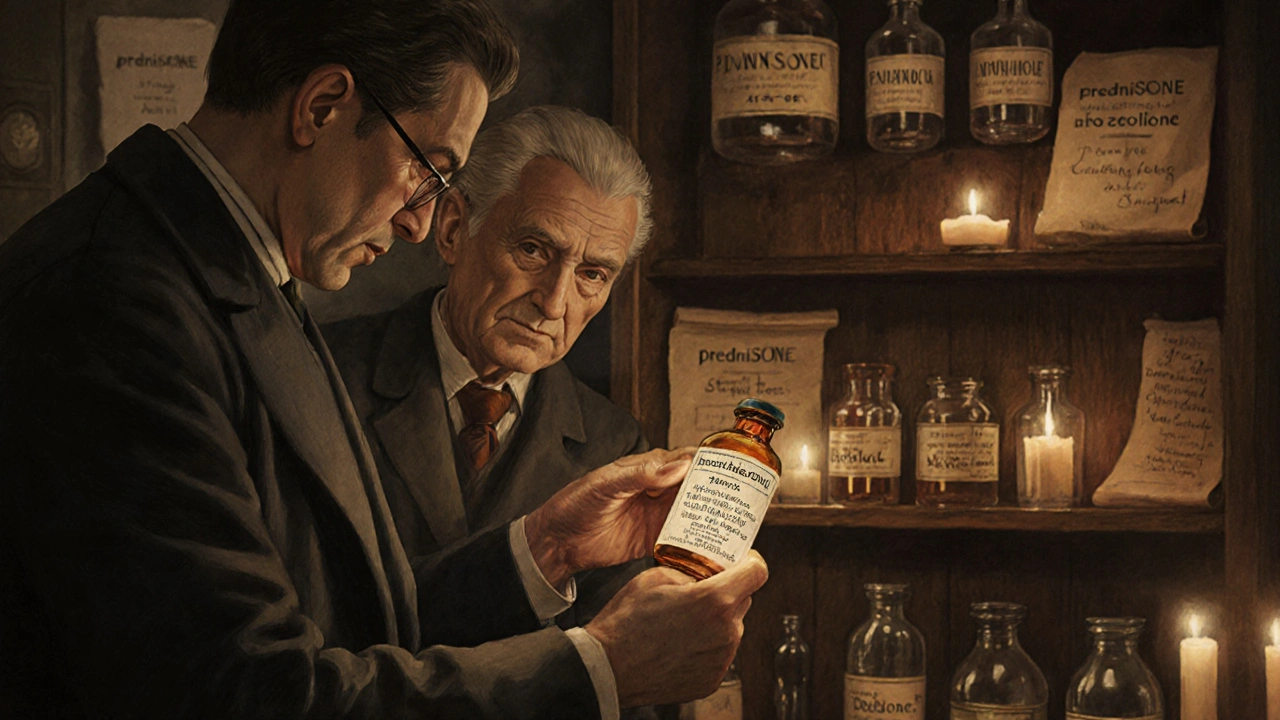
Learn how to safely check medication names, strengths, and dosage forms to prevent deadly errors. Simple steps anyone can take to verify prescriptions and avoid dangerous mistakes.